The political honeymoon for Andy Burnham is unlikely to face a fiscal reckoning just yet even as the sputtering British economy stores up problems for the future.
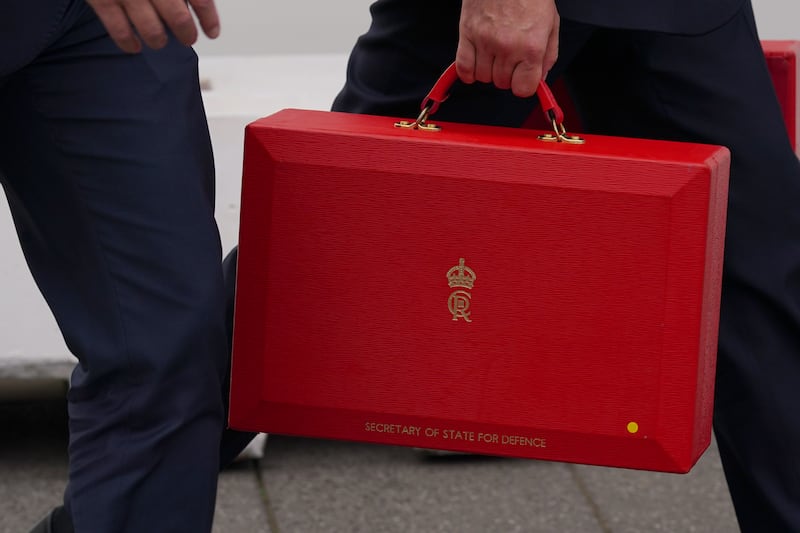
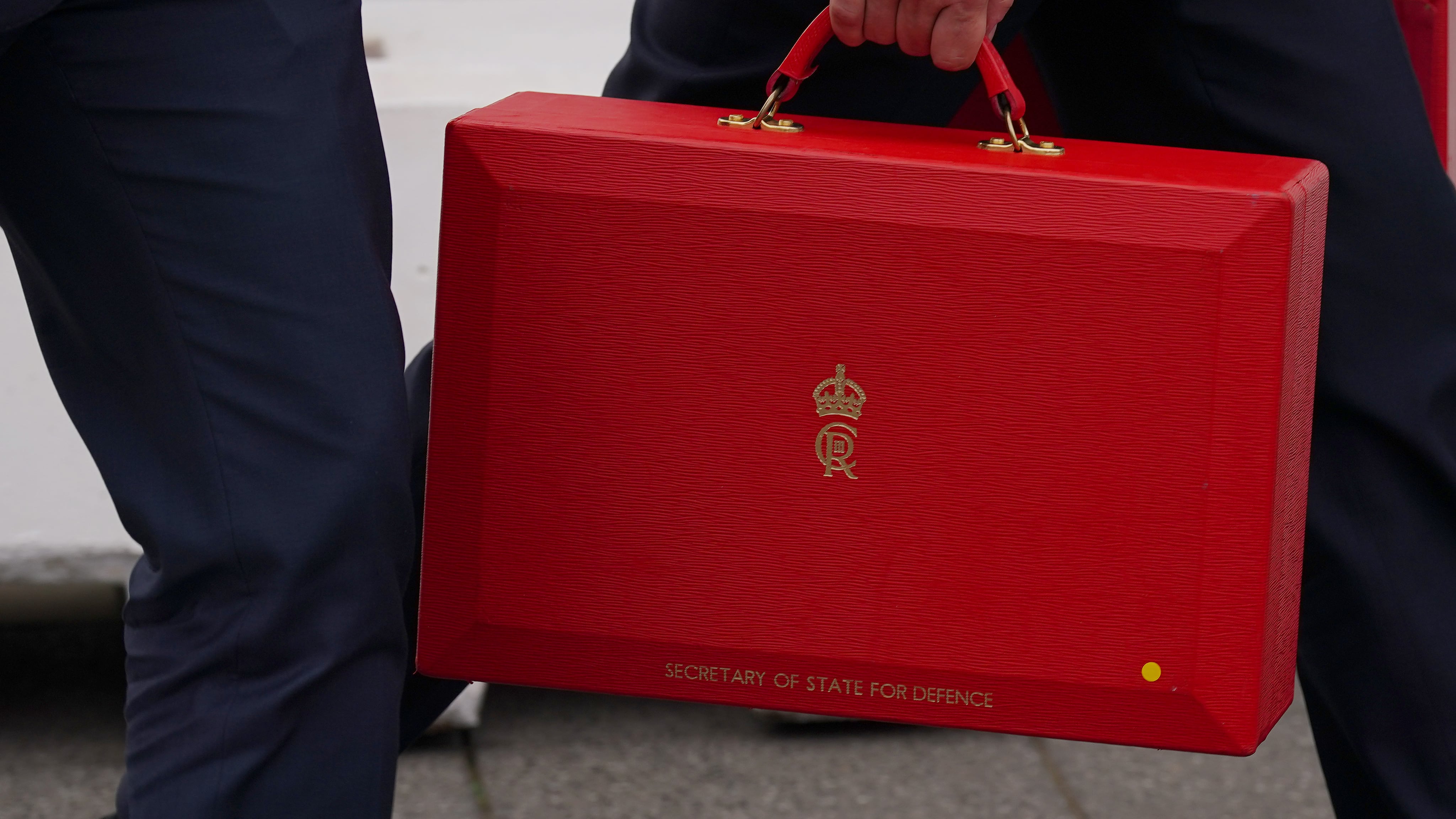
His new chancellor John Healey is preparing to unveil a budget on Wednesday amid the usual demands from business and households for new measures to help with the cost-of-living crisis.
But for millions of people the budget will add up to very little because the UK Treasury just doesn’t have the money to protect income tax bands, household energy bills and safeguard public spending on the NHS and social welfare from the ravaging effects of British inflation.
Reflecting political instability and the outlook for the British economy, Healey is the seventh British finance minister in six years to hold the job.


His task this week is to deliver a low key budget and hope that future economic growth will make funding Britain’s public debt pile of over £3 trillion (€3.6trn) a bit more manageable.
Healthy economies throw off tax revenues and help governments fund public spending.
Sensible administrations endeavour to keep in good favour with international investors who lend governments money through the sovereign bond markets.
But Britain’s economy has been failing for so long that it finds itself in a fix with its bond market lenders.
Former chancellor Rachel Reeves a year ago was preparing her budget when British media commentators started acknowledging that Britain could be slowly sliding under the weight of its debt.
The bond markets were keeping score.

Bond investors demanded a premium that forced the British government to pay the highest yields or interest rates of any major economy in the world.
The pressure ratcheted up further after the US and Israeli attacks on Iran in February unleashed a further wave of global inflation.
Britain was warned that it was among a small group of countries in Europe with the most to lose from a prolonged Middle East conflict.
Trading a year ago at a little above $60 a barrel, the global price of crude oil is now touching $115 a barrel.
The price of wholesale natural gas which helps generate a large chunk of the electricity on the grid has more than doubled since last autumn.
The borrowing costs for the British state have since ballooned.
Reeves last autumn faced paying a borrowing cost of under 4.5% for the British state to borrow for 10 years.

On the eve of the budget this week, Healey faces an even higher British sovereign interest or yield, at over 5.3%.
The dire mood lifted in recent weeks, but for reasons that will give no cheer to Burnham and Healey.
In the British television studios, the focus turned to France, another G7 economy and the second largest in the eurozone.
“You know, there’s a sense that we’re broke as a nation, but the French are worse off,” said the Sky News presenter reviewing the front pages of the newspapers a day after French protests had turned to disorder in cities from Paris to Marseilles.
- United Ireland debate should focus on opportunities not costs, says TánaisteOpens in new window
- Strengths and weaknesses of the Irish economy under spotlight in unity debateOpens in new window
- More than most, the UK economy needs the war to end soonOpens in new window
- Leaks ahead of the Irish Budget will do little to calm demands for even more spending Opens in new window
The cost of borrowing for the French state last week hit its highest level for almost 25 years.
Nonetheless, the bond markets demand that Paris pays a rate of just over 5%, still lower than the equivalent cost for the British government.
“We have consistently argued that France’s fiscal crisis is likely to get worse before it gets better and that the spread on France’s government bonds is likely to rise,” Andrew Kenningham, chief Europe economist at Capital Economics in London, said in a recent report.
“That said, contagion risks are a lot lower than they were in the 2010s, for several reasons,” Kenningham said.
Economists on this side of the Irish Sea note that bond or gilt borrowing costs are a problem for Britain where higher-for-longer inflation has kept Bank of England borrowing rates at elevated levels.
The headwinds of doing business in Britain are therefore stronger than elsewhere.
The turbulence on global bond markets means Healey will likely be keeping his head down and hoping for the best.
He doesn’t have the money to do much else, economists here believe.

“The UK does have some of the most expensive borrowing costs of the advanced economies,” said Bank of Ireland chief economist Conall Mac Coille.
People were transfixed by the riots in Paris, but British sovereign gilt costs are still more elevated than the equivalent borrowing costs for France, Mac Coille said.
The British chancellor will leave all the difficult decisions over defence spending, wider public spending reviews and a potential move to loosen the set of fiscal strictures inherited from Reeves, for other years.
It is a strategy that is not without its risks.
“The bond markets haven’t been policemen for quite a while, with one exceptional episode,” said senior economist Austin Hughes, referring to the blow-out of the British gilt market in September 2022 caused by the short-lived premiership of Liz Truss and her chancellor Kwasi Kwarteng.
“It certainly influenced the thinking of Rachel Reeves when she became a prisoner of the Treasury’s nervousness of a second Truss-like episode,” said Hughes.
“The UK Treasury doesn’t want to be the cause of another accident in the bond markets,” he said.
Britain faces more market fears about the enormous private debts global corporations have taken on in building out AI.
Foreign investment in AI data centres in Britain may have contributed to the UK economy eking out precious economic growth in recent months.
“My very strong sense is that you are going to get a disappointing budget, not a budget that the Burnham speeches promised because they are even more nervous now after what has happened in France and the US as well,” said Hughes.

Writing earlier this month, Ruth Gregory, deputy chief UK economist at Capital Economics, predicted Healey would deliver a budget “with limited implications for the economy and the markets”.
“But this just delays the difficult decisions and is likely to set up another round of spending and tax rises in the Spending Review and budget next year,” she said.