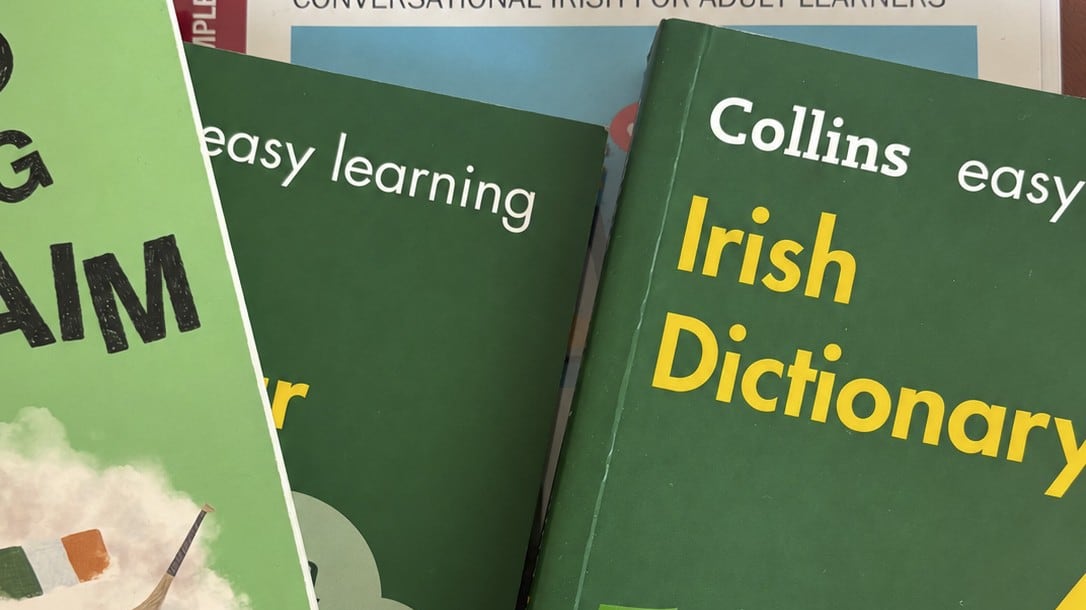
A language researcher and academic has warned that proposed changes to Northern Ireland’s curriculum could put Irish “at risk” in schools if they were to go ahead.
An updated curriculum is due to come into effect from 2028 as part of education minister’s TransformEd reforms.
The proposed updates to the educational programme include focussing a “single core modern language” between the ages of 11 and 14 – and focusing language learning around three ‘pillars’ of phonics, grammar and vocabulary.
The proposals went out to consultation which closed last month.


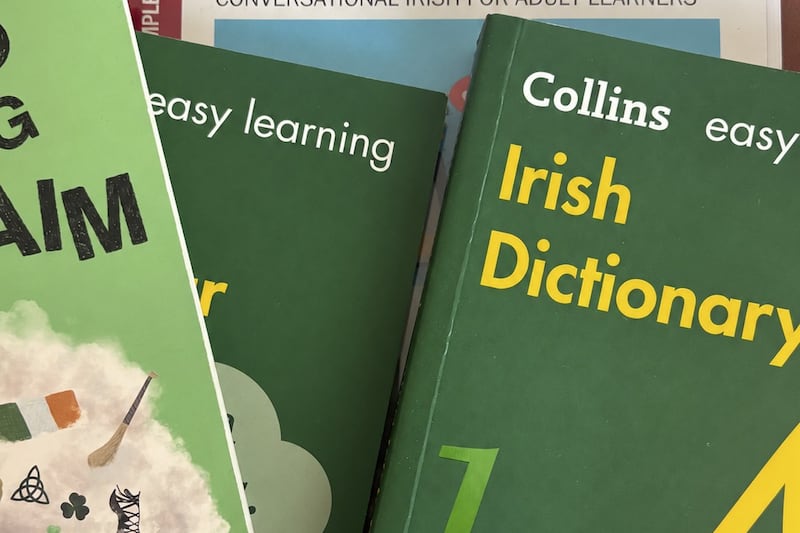
In the north, unless a school is an Irish-medium school, Irish is considered a modern language alongside other European languages such as French and Spanish.
Ian Collen, a lecturer at Queen’s University and academic lead at the Northern Ireland Centre for Language Education Research, told The Irish News that the proposed changes to focus on the three pillars – and learning 800 key words – would restrict language learning.
In particular, he said that the changes could negatively impact Irish learning.
“We are very concerned about the direction of travel that TransformEd, the minister of education’s policy, is going to take us in,” Mr Collen said.
“This is a very old-fashioned way of teaching languages.
“You can teach Spanish successfully with this methodology, but it’s never been tested or proven that you can teach Irish with this methodology.
“I think we’re taking a massive gamble in the Irish space that this could go really belly up.”

Mr Collen, who also conducts language learning trend surveys for the British Council, said that the ‘pillar’ method was introduced in England in 2018.
He said this worked well with Spanish learning, but it might not be the same for Irish.
“I think it’s a huge risk that we’re embarking on this curriculum, and it has never been tested,” he said.
A spokesperson for An Gréasán, the subject body for Irish teachers across Ireland, said that the proposed three pillars “all have a place in learning Irish” but echoed concerns about “the weight given to them and how they are taught”.
“The proposed phonics element is particularly worrying for teachers,” they said.
“Phonics means learning the relationship between written letters and sounds. Irish has patterns that can help learners, but explaining too many technical details too early risks making the language seem difficult before pupils have experienced the enjoyment of using it.
“Beginners need useful phrases they can understand and use straight away.
“They can then build on those phrases, recognise patterns and develop their understanding of how the language works. Pronunciation, spelling and grammar should support that process.”
They added that if “grammar and phonics exercises displace meaningful communication, pupils may become good at completing exercises without becoming confident speakers”.
“The long-term concern is that fewer pupils will choose Irish at GCSE, which would then affect A-level numbers and the future supply of Irish teachers,” they said.
“There is encouraging progress to protect. The British Council reported that Irish entries rose by 4.3% at GCSE and approximately 30% at A-level in 2026. Teachers are concerned that these proposals could put that momentum at risk.”
Other issues raised include continuing to focus on vocabulary lists, and the need to accompany language with culture through songs, stories and contemporary media “to bring the language to life”.
“The test of these proposals must be whether they help more young people learn, use and continue with Irish,” they said.
“As they stand, teachers fear they could undermine the progress already being made.”
The Department of Education said it “does not accept the characterisation of the proposed framework as being centred solely on three ‘pillars’ of phonics, vocabulary and grammar”.
A spokesperson added: “The Department recognises that Irish has distinctive linguistic and phonological features and that the teaching or Irish phonics requires an approach tailored to the language’s own sound and spelling system.
“The proposed framework has therefore been developed separately for individual languages, including Irish, rather than applying a single model across all languages. It contains a dedicated Irish appendix setting out content and phonological knowledge appropriate to Irish language learning.
“The Department does not accept the characterisation of the proposed framework as being centred solely on three “pillars” of phonics, vocabulary and grammar.
“While these are important elements of the core linguistic entitlement, the framework also includes language proficiency, strategies for language learning and communication, and cultural knowledge and intercultural competence.
“Phonics, vocabulary and grammar are not ends in themselves but are to provide the foundations that enable pupils to understand, communicate and interact confidently in the target language.”
The Department said that following consultation, work on Irish-specific content will continue with subject specialists to consider feedback.
The department added: “It is also important to recognise that curriculum reform alone cannot determine outcomes in modern languages. Internationally and across the UK, language uptake and attainment are influenced by a range of factors, including curriculum time, teacher supply, assessment arrangements, qualification choices, pupil motivation, societal attitudes towards languages and opportunities to use languages beyond the classroom.”
The spokesperson also said the current Northern Ireland curriculum only requires one language to be studied at Key Stage 3 - which has “simply been retained” in proposals for the 2028 curriculum.
They added: “There is no change to the position. As now, schools will continue have the flexibility to offer more than one language.
“Unlike the current curriculum, the proposed new Curriculum 2028 also includes an optional language and cultural awareness curriculum at Key Stage 2 to give a first introduction to language learning for younger children.”