
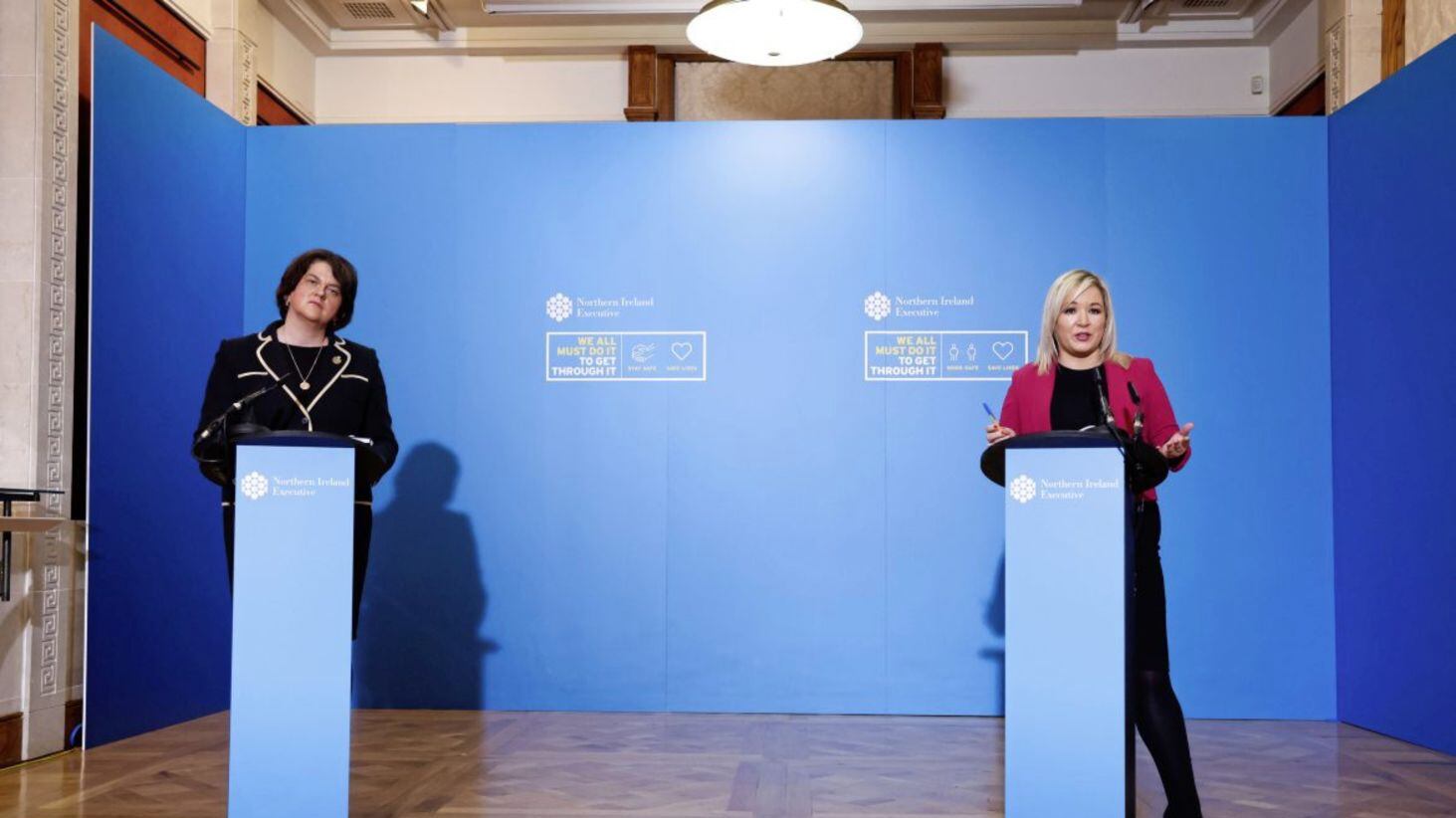
‘Chaotic”, “deeply divided”, “incoherent”, “poor relationships”, “inappropriate instigation of cross-community votes”, “tensions in the executive”, inability “to set aside political and sectarian divisions”, “seriously undermined public trust”, “detrimental impact on the quality of decision-making”… and ”failed to put the common interest of all people in Northern Ireland above their party political interests”.
If this was a school report, it would have failure with a capital F written all over it.
But this isn’t a school report: these are the words of Baroness Hallett, the distinguished retired jurist and chair of the Covid-19 public inquiry, about the leadership (more precisely, the lack of leadership) of the Northern Ireland Executive during the crisis.
It should embarrass the current first minister, Michelle O’Neill, and the former first minister, now Baroness Foster.


But judging by the political reactions from the two main parties, Sinn Féin and the DUP, far from being embarrassed, it is a case of carry on regardless, indignant and brazen.
Petty politicking and needless one-upmanship were on full display throughout the Covid crisis.
At least Nicola Sturgeon, the former first minister of Scotland, had both the grace and humility to take responsibility for her failures and admit the buck stopped with her.
Our politicians played pass the parcel instead – and continue to do so.
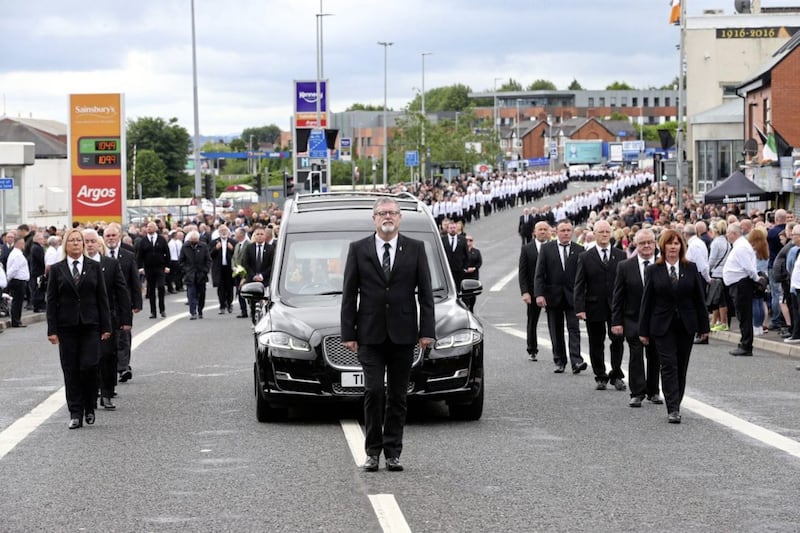
The elevation of the Bobby Storey funeral into a cause célèbre by the entire leadership of Sinn Féin was a slap in the face to every single person during the pandemic who lost a loved one and was denied a last goodbye, a hug, and the dignity of a family gathering or wake.
It was a gross insult to all those who instead had to stand alone in windy, cold graveyards and watch a burial of a father or mother from a distance.
The DUP, meanwhile, taking their lead from the hapless and hypocritical Tory stooges led by Boris Johnson and Matt Hancock, were like science-denying lemmings heading for the cliff.
The executive continues to fail and doesn’t govern for all. And yet, the public continues to reward its failures with votes.
The fault lines between Sinn Féin and the DUP, which were laid bare in this inquiry report, are damning and show that even in a crisis of life and death, they couldn’t rise above their differences.
Those fault lines are being played out again with the new legacy legislation being introduced by Secretary of State Hilary Benn as he seeks to navigate a pathway through the political landmines to a safe space for all victims.
The DUP and other unionists appear to believe that anyone who served in a uniform during the Troubles – army or RUC – should get a complete carte blanche to literally get away with murder.
Little things like the admission of unlawful killing or witness testimony don’t seem to matter.
The galloping Tory majors and retired NCOs in Reform seem blinded to the pain and suffering of the victims and survivors of delinquent security personnel.
And yet, they are content to hail and protect a small band of rampaging military renegades.
This is an indignity and disservice to the more than 300,000 military personnel who served throughout the duration of Operation Banner without gunning down school children and civilians.
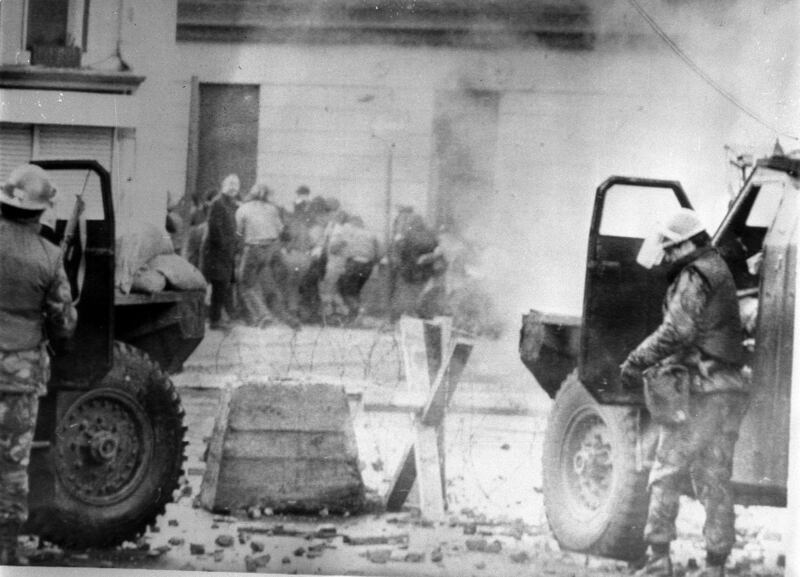
Foyle MP Colum Eastwood eloquently and passionately reminded parliament last week just how barbarous, brutal and out of control some of these military miscreants actually were as they revelled in their massacres.
Michael O’Hare, brother of Majella, who was shot aged 12 years old by a paratrooper in Whitecross, now runs the charity Troubles, Tragedy and Trauma.
He says: “Our grief is ongoing and we still need answers.”
He reminds everyone, despite her own inconsolable grief, that his mother Mary, on hearing of any death (in the Troubles) would say: “That’s some mother’s son or daughter.”
If only now the defenders of the indefensible could find the same generosity of spirit as those who suffered the greatest of losses.