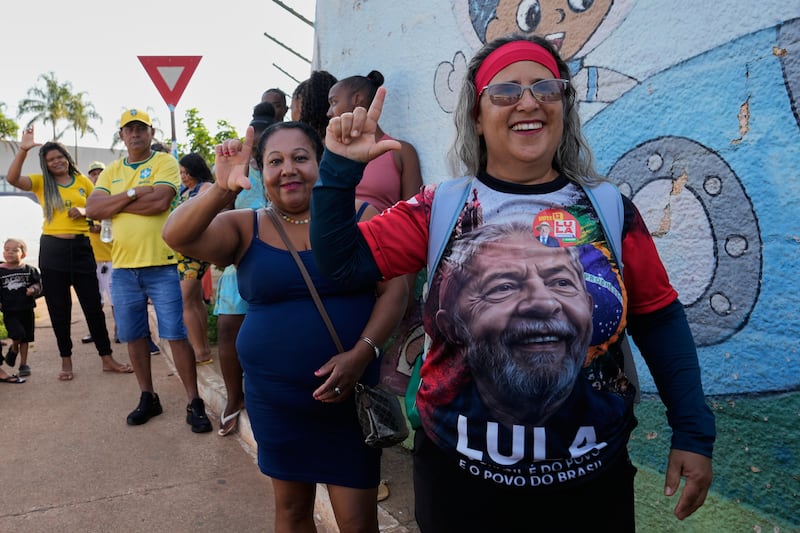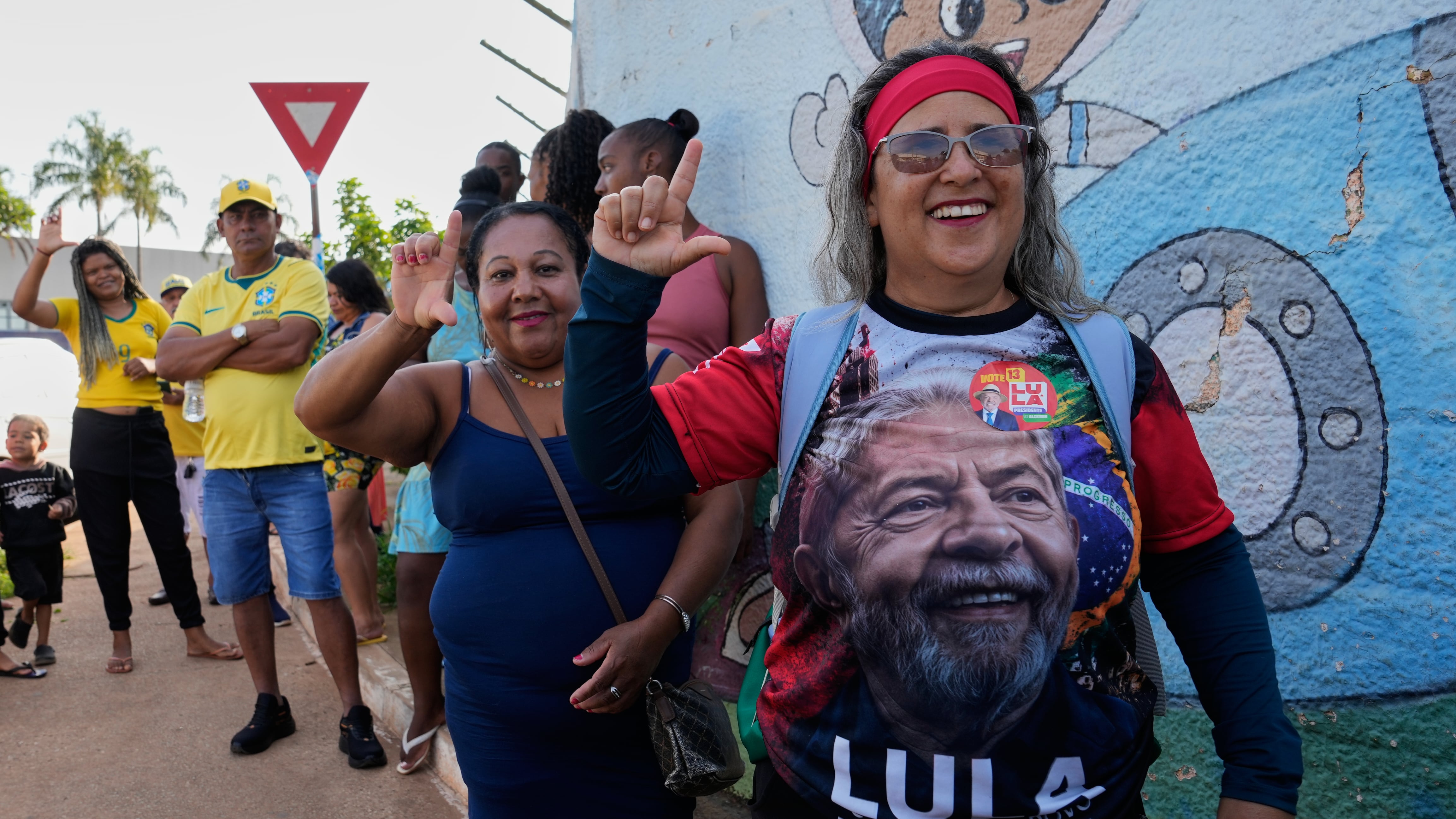
Brazilians began voting in Sunday’s polarising presidential run-off between incumbent President Luiz Inacio Lula da Silva and Flavio Bolsonaro, a contest that will determine whether the US will significantly expand its growing influence in Latin America.
Polls ahead of the vote showed the two candidates, who need more than 50% of the vote to become Brazil’s next leader in January, in a neck-and-neck race.
The election pits the left-of-centre veteran politician Lula against Mr Bolsonaro, an ally of US President Donald Trump and the son of imprisoned former president Jair Bolsonaro.
Flavio Bolsonaro bested Lula by more than 2.2 million votes in the first round of the election earlier this month. More than 33 million voters out of nearly 160 million did not turn out.
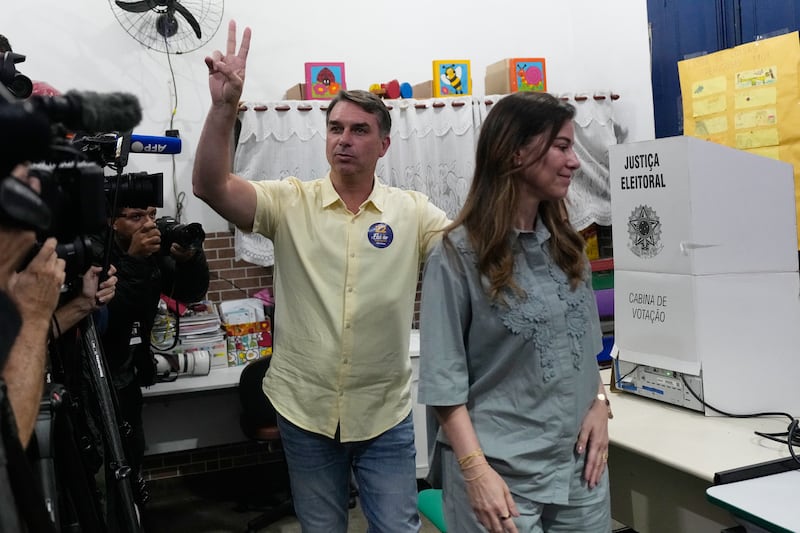
The difference between the two candidates is stark. Mr Bolsonaro and Lula have opposing ideological views on issues ranging from US-Brazil relations and climate change to social welfare.
A win for Mr Bolsonaro would signify a pivot to the right by Latin America’s most populous country and its largest economy in a year when Trump allies have notched victories in Chile, Peru and Colombia.
A victory for Lula would leave Brazil and Mexico, which is the region’s second most populous country and led by President Claudia Sheinbaum, with left-of-centre leaders.
In many ways, Brazil’s run-off vote resembles a rematch between the country’s two polarised political forces that trigger passion as much as loathing.
Four years ago, Lula beat Mr Bolsonaro’s father by the narrowest margin since the country’s return to democracy in 1985. Polls suggest that this election will be even closer.
Lula, who first governed the country between 2003 and 2010, has faced a tough re-election battle because of concerns about the cost of living and security. Mr Bolsonaro made a tough-on-crime approach the cornerstone of his campaign and pledged to bring down food costs.
Mr Bolsonaro has touted his proximity to the White House and insisted that Brazil needs to strike better deals with the Trump administration, including the rare minerals economy.
Brazil estimates that its deposits hold up to 21 million tonnes, second only to China. He denies he is being helped by the US government.
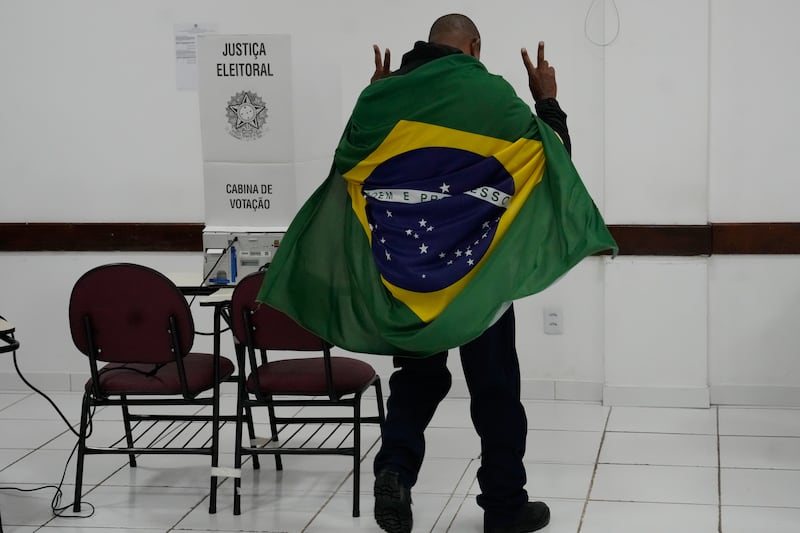
Voting in Brazil is conducted electronically and the result is usually available within hours after polling stations close at 5pm in Brasilia (8pm UK time).