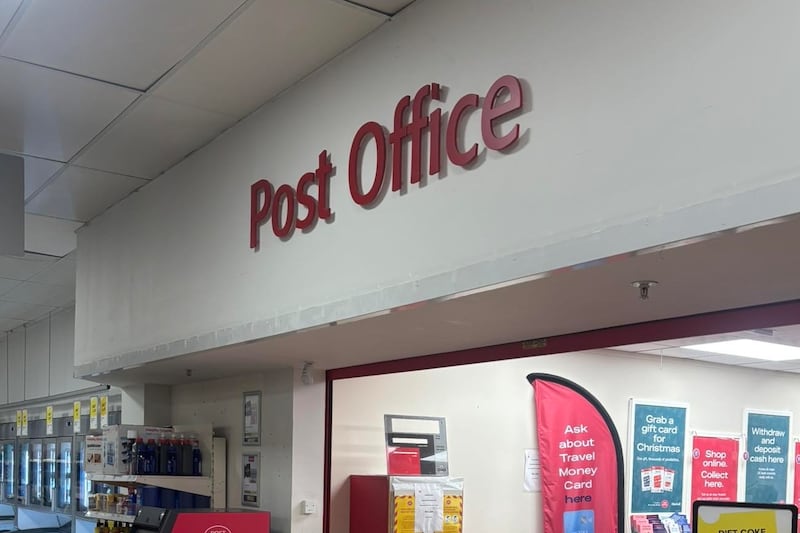
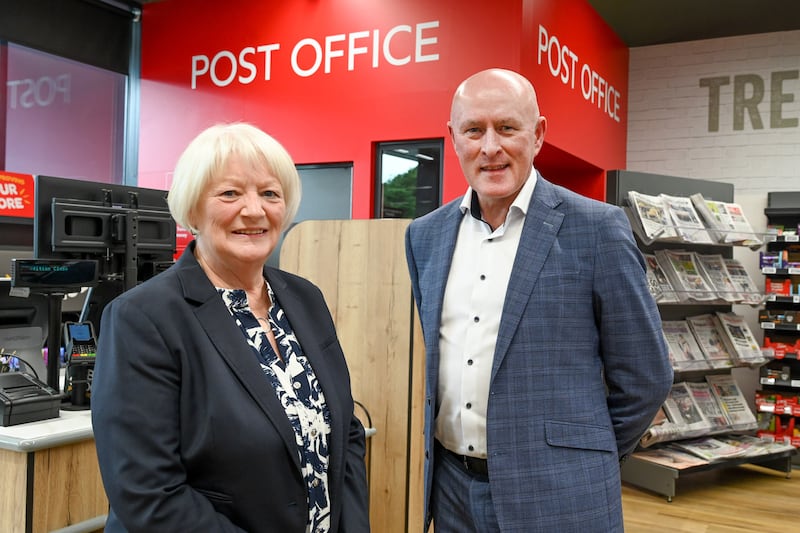
In recent weeks, Retail NI and the National Federation of Sub Postmasters launched a major new plan at Stormont to strengthen Northern Ireland’s Post Office network.
Our joint ten-point report outlines how government at all levels can better support post offices, expand counter services, and drive much-needed footfall back to local high streets.
At Wednesday’s Trade NI reception at Westminster, we will make the case to MPs and ministers for Northern Ireland to become a pilot region for delivering additional public services through local branches.
These include passport and driving licence applications, renewals, TV licence services, and PAYE and self-employed tax contributions.

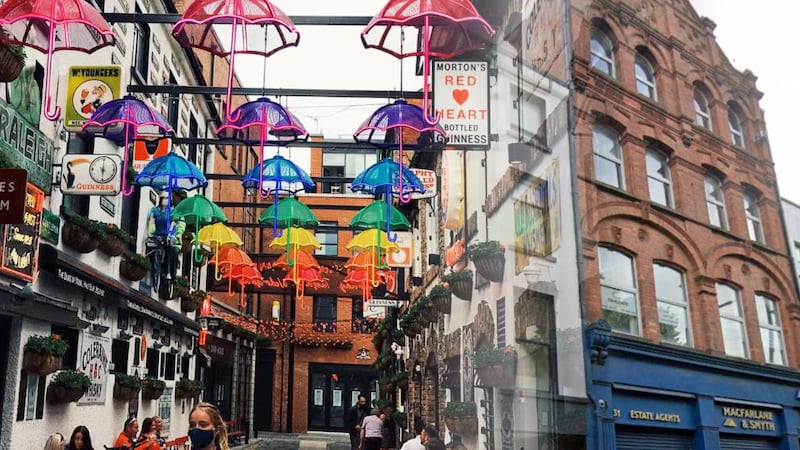

This is about more than sustaining a network - it is about revitalising our high streets. Post offices are uniquely placed to generate footfall, acting as anchor institutions that bring people into town centres.
In an age of rapid automation, there remains strong demand for face-to-face interaction: being served by a person, in a shared community space, still matters.
The case for action is strengthened by the continued closure of bank branches. In many communities, post offices have stepped in to provide essential financial services, particularly access to cash.
Our report proposes an expanded Small Business Deposit Scheme, supported by local banks, to improve secure cash handling—especially for rural businesses that rely heavily on cash transactions.
Despite the growth of digital payments, demand for cash services remains significant. Customers still need to deposit, withdraw, and manage their money locally. Post offices are well positioned to meet this need, but they require the right support and investment to do so effectively.
- Is there now a business rates border in the Irish Sea?Opens in new window
- Retail crime ‘now at epidemic levels’Opens in new window
- A Primark fire-style response is needed for Belfast city centreOpens in new window
- Dereliction crisis is a call to actionOpens in new window
- Retail showcase will update business on upcoming Deposit Return SchemeOpens in new window
The Post Office is a national asset at the heart of every community. But without stronger government backing, there is a real risk the network could be gradually hollowed out.
Sub-postmasters are keen to modernise and innovate, but this must be matched with fair remuneration, meaningful consultation, and a level playing field.
The network also plays a crucial role in bridging the gap between digital and physical services. While automation can enhance efficiency, it cannot replace the social and economic value of in-person interaction. Strong communities depend on accessible, local services—and post offices are central to that ecosystem.
As letter volumes decline and parcel traffic grows, driven by e-commerce, post offices are adapting.

Increasingly, they are becoming key hubs for parcel drop-off and collection, serving multiple carriers beyond Royal Mail. This evolution presents a significant commercial opportunity.
However, Northern Ireland must not be left behind. For example, services offered by carriers such as DPD are available in post offices elsewhere in the UK but not in Northern Ireland.
This restricts earning potential for local postmasters and reduces consumer choice, placing the region at a competitive disadvantage.
The future of the sub-postmaster network will play a critical role in shaping the wider retail landscape. These are not just service points - they are community hubs with the potential to deliver enhanced services and support local economies.
Retailers and post offices alike are adapting to the digital age, balancing commercial sustainability with social value. With the right policy framework, the Post Office network can do both.

Government now has an opportunity to act. By investing in and empowering this network, it can support consumers, strengthen high streets, and ensure that communities across Northern Ireland continue to thrive.
- Glyn Roberts is chief executive of Retail NI