As I approach life’s autumn years I can’t help think that summer’s end comes earlier each year. This is perhaps counterintuitive to what we’re told are the impacts of climate change but whereas my seasonal clock was once in tune with the academic year, even decades after leaving education, it now seems more aligned with nature.
This means my body calender now corresponds closely with the Celtic calendar, which is tied to the Earth’s growing cycles.
Rather than beginning on the September 1, in keeping with the meteorological calendar, or on September 23, abiding by the astronomical calender, autumn for the Celts began weeks earlier on the festival of Lúnasa, August 1.
Because I want summer to last as long as possible, I’m reluctant to subscribe entirely to the Celtic calendar but I’ll acknowledge that come the beginning of August, more than five weeks on from the summer solstice, the light has changed and the days are noticeably shorter.

Of course, our seasons are not rigid or entirely predictable, and the weather on any particular day of the year can be the opposite of what it was 12 months earlier, or will be on corresponding dates in the future. It’s not unknown either to experience the proverbial four seasons in one day.
Regardless of when exactly the autumn starting pistol is sounded, we can rest assured that the days are getting shorter and there’s every likelihood that the temperatures will steadily fall. In matter of weeks, if not days, it will be indisputably autumn.
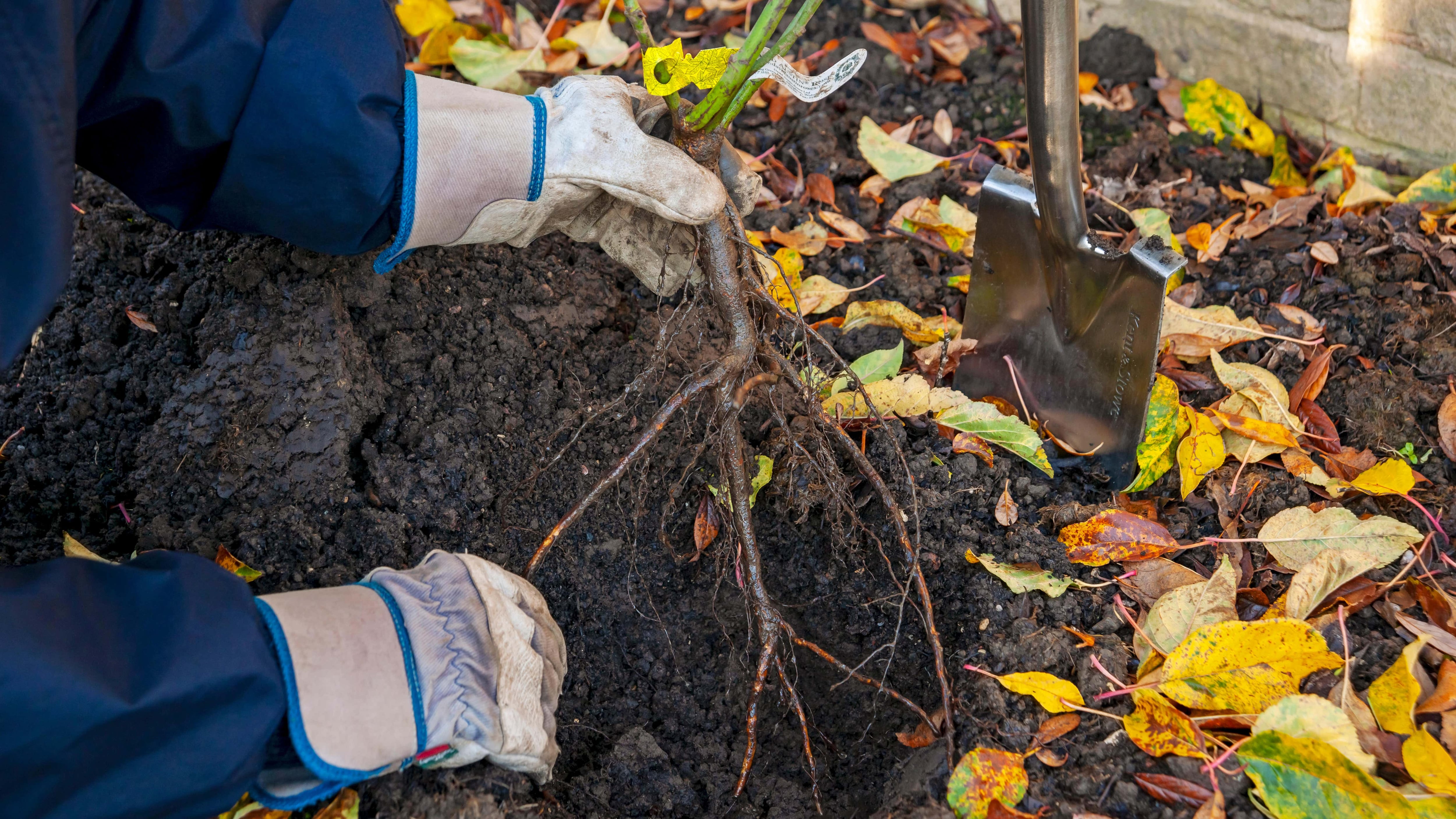
In a timely intervention, the Royal Horticultural Society (RHS) is urging on gardeners to rethink the traditional idea of autumn as a time for winding down and cleaning up, and to instead embrace the season as a time for planting.
After a summer of drought and heatwaves, the charity says planting trees, shrubs, climbers and non-woody perennials in autumn can give them a stronger start, helping roots establish before the next spell of extreme heat, thus reducing pressure on mains water.
Spring-planted trees can be quickly exposed to heatwaves and dry spells before their roots are established, whereas planting in autumn gives them a head start: cooler weather reduces water loss, winter rain keeps soil moist, and by summer they are better rooted and more resilient to heat and drought.
Hardy woody and non-woody perennials also benefit from the autumn advantage. Warm, moist soil fuels root growth, cooler weather reduces stress, and falling weed and pest pressure gives plants a clearer run to establish before spring.
The RHS’s Leigh Hunt said autumn planting gives trees and perennials time to establish while soils are moist and rainfall is more reliable.
“Newly planted trees still need regular watering for their first two years, especially in summer, but autumn planting can reduce the pressure during those critical first weeks when roots are establishing,” he said.
“If we want gardens to survive longer, hotter dry spells, we need to make autumn planting part of the new gardening calendar. It gives certain plants a better chance and helps gardeners use water more wisely.”
Mr Hunt said gardeners should also give consideration to the increased potential of climate extremes when choosing plants.