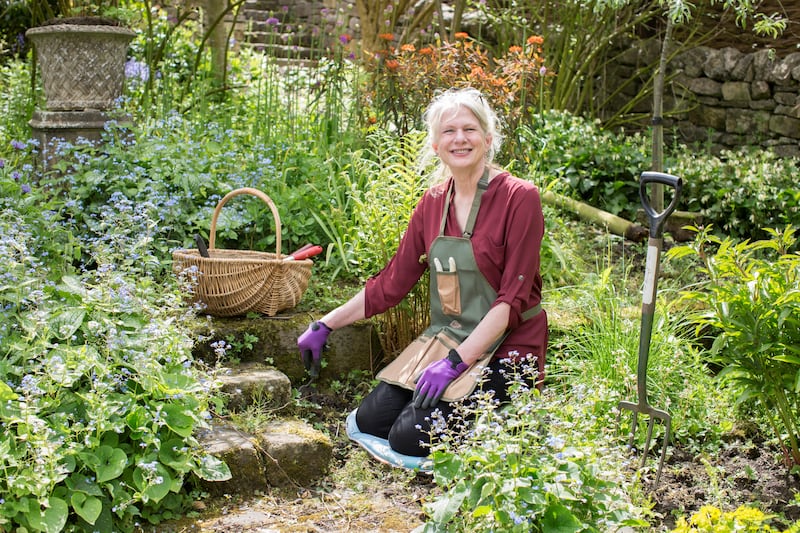
Ordinarily I’m not one for big autumn tidy-ups. Keeping on top of fallen leaves in a garden replete with trees is usually enough to occupy me at this time of year. I’m normally content to leave beds and borders as they are over winter and attend to them in spring when there’s a little more urgency required.
But this year I have plenty of bulbs to plant, augmenting the alliums and tulips that provide a great spring display in my main ornamental border. This means I need to identify suitable spots of unoccupied bare ground in between herbaceous perennials that are currently in their autumnal death throes.
Pulling out the scutch grass, thistles, docks and nettles that have prospered since June, when I last weeded the border, has proved a minor revelation. Whereas late spring early summer weeding requires a special tool that’ll help prize out deep tap roots, pulling weeds from the damp ground seems far easier than when it’s drier in late April and May.
But there’s an inevitable downside. Last Sunday, as I was clearing ivy, brambles and assorted weeds from a near log pile that doubles as the border’s rear boundary, something moving amid the freshly turned soil caught my eye. It was too small to be a mouse and too big for an insect. After a few moments I established it was a little frog, no bigger than a pound coin.


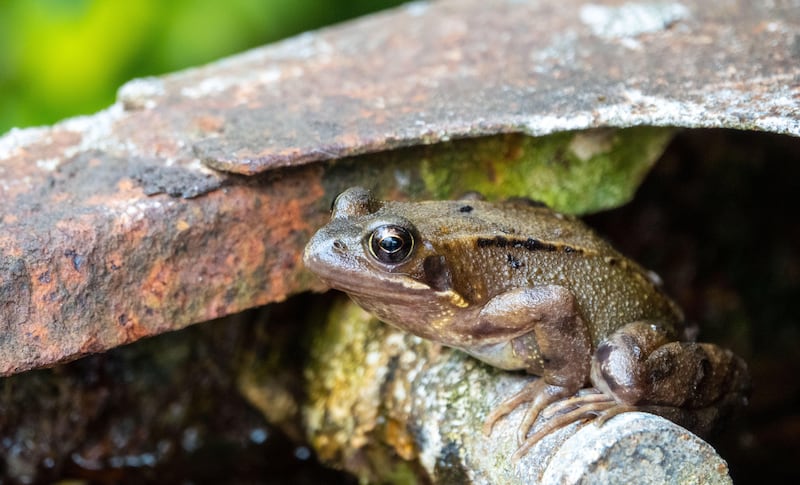
No doubt, the frog was one of many whose life began in the nearby pond, which was built for this very purpose. Frogs are a natural pest control. When full size they can eat dozens slugs, snails and various insects.
As these little amphibians are strictly carnivorous they’ll leave your plants well alone, while their presence is also a strong indication of a good garden ecology.
Once the idea of encouraging wildlife into your garden was a minority one. Instead, there was a booming industry selling chemicals that would kill everything bar the plants you wished to grow.
Thankfully, the tide has since turned and the received wisdom in horticulture today is to value all garden life, from the smallest microorganism to raptors that’ll clear your bird feeder quicker than 12-bore shotgun.
Building a sustainable ecological system in your garden starts at the bottom. As recommended in last week’s column on fungi, it’s best to re-use and recycle the materials at hand, keeping your system as closed as possible and keeping out contaminating materials, whether organic or chemical.
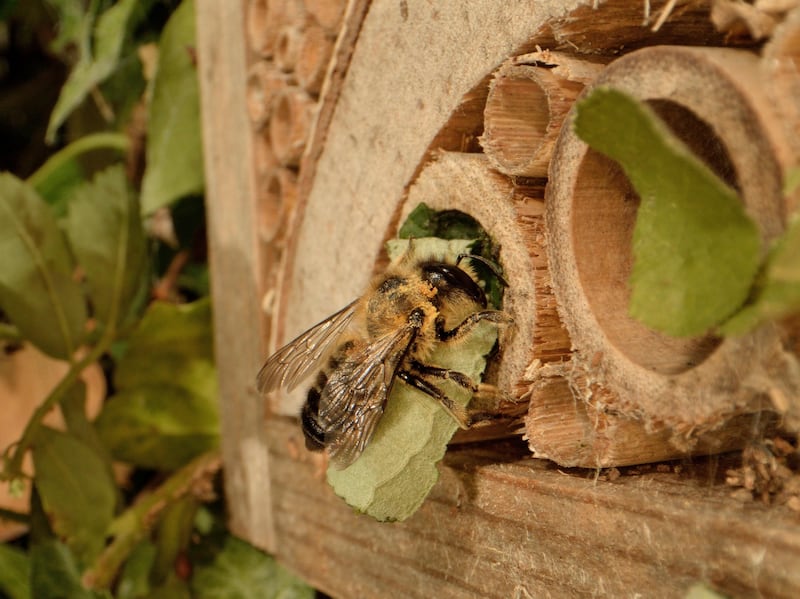
The next step up in the chain from compost and leaf mould is creating a habitat for insects, who as well as helping breakdown organic material, will be an important food source for birds, frogs and larger mammals.
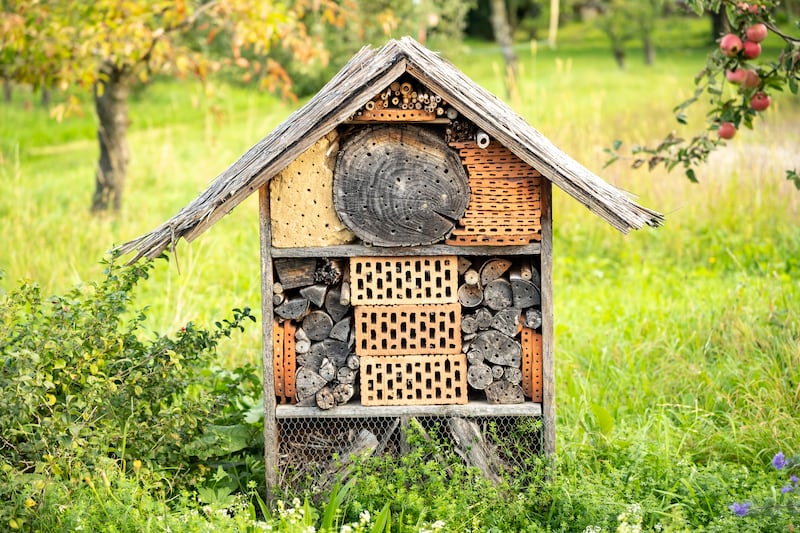
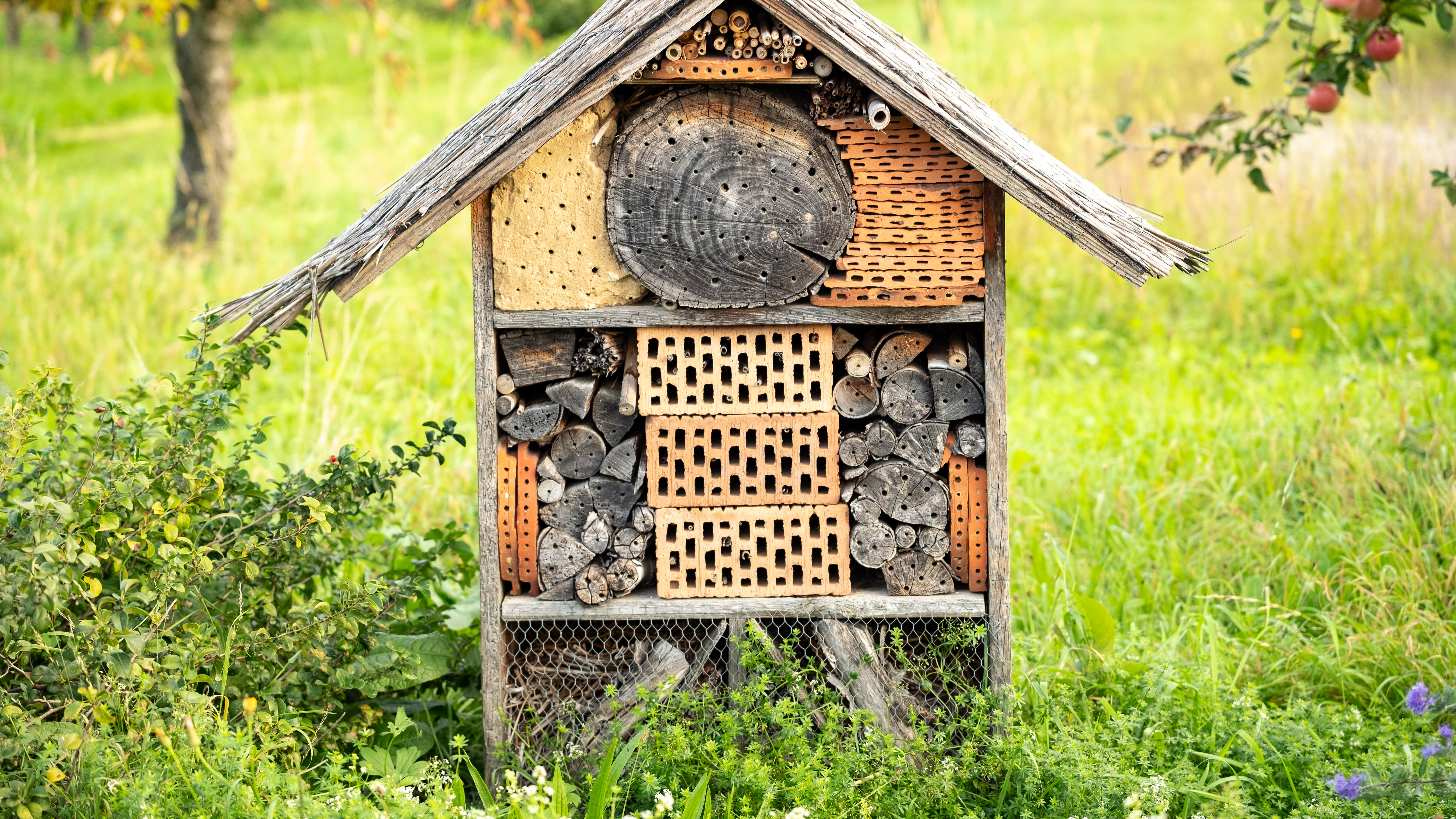
So-called bug hotels have become de rigueur for sustainable gardeners in recent decades. At their simplest, they’re a collection twigs, straw, hollow stems, bricks and whatever other natural materials you can muster. However, the challenge is to fashion them into a feature that is desirable to both humans and insect life, such as solitary bees, ladybirds, green lacewings and beetles.
Build a sturdy frame first and start by layering the heaviest items, before building up to the top with lighter materials. Cap with a waterproof roof that’ll ensure your residents remain dry through winter.