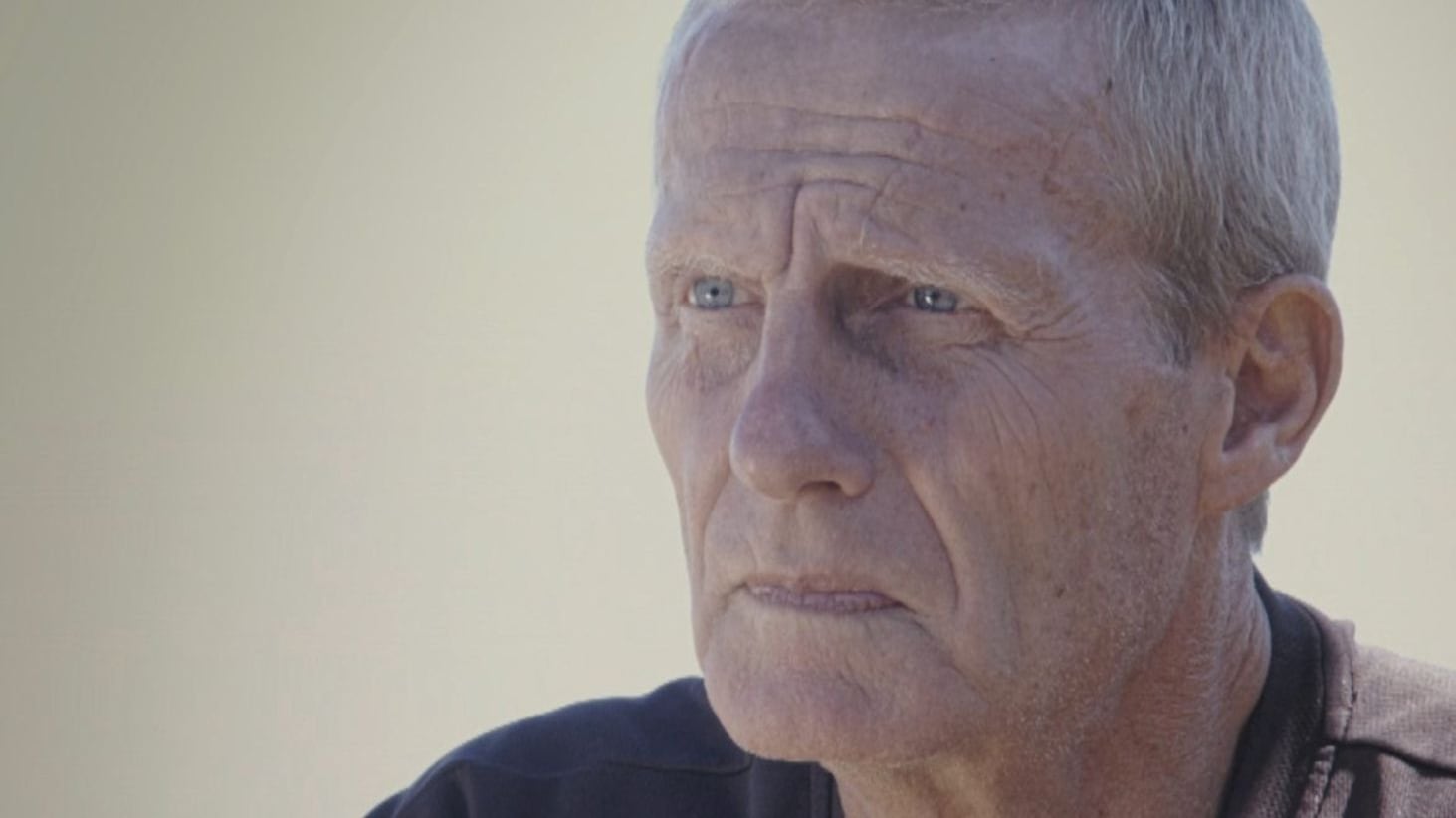
A former RUC man facing prosecution for murder in the north has been questioned in a South African court in relation to a fatal bomb attack in Co Cavan more than 50 years ago.
Speaking from his home in Cape Town, alleged Glenanne Gang member John Weir revealed he has been questioned in a local court as part of a gardai investigation into a loyalist bomb attack in Belturbet, Co Cavan, which claimed the lives of two teenagers.
Geraldine O’Reilly (15) and Patrick Stanley (16) lost their lives when the car bomb exploded in the town’s main street in December 1972.
In 2022 gardai said they had identified new lines of inquiry into the fatal bombing, which took place on the same day as loyalist explosions in Clones, Co Monaghan and Pettigo, Co Donegal.

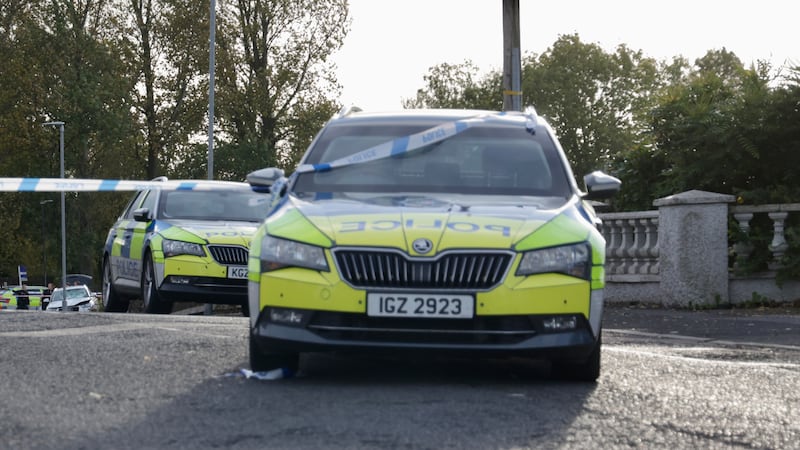

It emerged last week that the Public Prosecution Service (PPS) is to prosecute the former RUC officer for murder and conspiracy to murder.
He is also charged with an aborted attack south of the border.
Mr Weir last night said he has yet to be contacted by authorities in Belfast and stated his intention to fight any attempt to prosecute him.
He also denied all the allegations made against him.
He is alleged to have been a member of the Glenanne Gang, which was made up of members of the RUC, UDR and UVF.
Based out of a farm owned by former RUC officer James Mitchell in Glenanne in south Armagh, the gang is believed to have carried out around 125 murders, the majority of which were innocent Catholics.
Its activities are currently subject to separate examinations by the Police Ombudsman and the Kenova investigation team under the heading Operation Denton.
Mr Weir has now revealed that he appeared at a Cape Town magistrates court at the behest of gardai for questioning about the Belturbet attack last October.
Mr Weir said a member of the Gardai investigating that and other attacks, who is based in Co Cavan, travelled to Cape Town for the hearing.
Mr Weir said he told the court he had no involvement in the attack.
“I said the man from An Garda Síochána…knows I have nothing to do with it, the Irish embassy, that set this up, knows I have nothing to do with it,” he added.
The former RUC man claims he has been singled out in a bid to “discredit” him “and to stop me talking to somebody like (Operation) Denton - that seems to be maybe making an effort to get at the whole truth”.
Mr Weir revealed he has agreed to speak to Operation Denton investigators as part of their review.

“I also made it quite clear that I want all the truth to come out for all sides, but probably most important was the government’s sides,” he said.
“And then people would settle down and live at peace, and I do believe that, if all the truth is told.”
In the north both the PPS and Police Ombudsman’s office have refused to reveal how many murder charges the ex-police officer is facing.
However, it is understood the ombudsman’s office contacted representatives for the family of Elizabeth McDonald (32) last week.
The mother-of-three, who was known as Betty to friends, was killed along with Gerald McGleenan (22) when the Glenanne gang left a car bomb outside the Step Inn in Keady, Co Armagh, in August 1976.
It is believed ombudsman officials also got in touch with the family of Thomas McNamee.
Mr McNamee died almost a year after being injured in an explosion at McArdle’s Bar in Crossmaglen in November 1974.
Mr Weir denied involvement in either attack.
“Nobody will ever come up with something to say, there will be no evidence, DNA or prints, there can’t be, because I had nothing to do with it, there’s just nothing there because I wasn’t involved in it.
“And the same with Belturbet, which the garda were looking at.”
Mr Weir believes the recent moves against him by authorities on both sides of the border are connected.
“I would say both of them are linked up,” he said.
“I think they are linked up, maybe even linked into Operation Denton, to make a case why Denton shouldn’t speak to me.”
Mr Weir said he told the South African court that he was “happy to talk to Denton”.
“And that I had already attended a number of inquiries which I thought it was good to bring out the truth and help a peace process,” he said
“And that everybody should know the truth of what happened to their loved ones, I said I want all that to come out.”
Mr Weir believes the Irish and British have common cause.
“Could it be a coincidence that 50 year later An Garda Siochana have me brought into Cape Town Magistrates Court and now a couple of months later this is happening back home ... that can’t be coincidence,” he said.
He adds that during the Troubles there was north-south co-operation, and claimed that Irish authorities knew about a bomb that went off in Castleblaney, Co Monaghan, in March 1976 killing one man.
It has been claimed the Derry to Dublin bus, which travelled through Castleblaney was the target, but was late on the day of the blast.
“You see the bomb that went off in Castleblaney, they were informed about that before that happened, they were informed of everything that was going to happen in the south,” Mr Weir said.
“Either they didn’t know how to handle it or they agreed not to handle it.
“Is it a coincidence that the garda stopped the Dublin-Derry bus outside Cullaville before it got into Castleblaney?”
Mr Weir said authorities in the south later stopped other planned attacks.
“I think at that stage there was an agreement that they would stop bombs going into the south, or stop these attacks going into the south.
“And everybody was sitting, talking the big talk, but behind the whole lot, they were co-operating together.
“I just have no doubt about that.”
Originally from Co Monaghan, Weir was a member of the RUC’s Special Patrol Group in Armagh when he became involved in the activities of the Glenanne Gang.
The former policeman gave evidence to the 2003 Barron Report - which examined the 1974 Dublin and Monaghan bombings that claimed the lives of 33 people and an unborn child.
In a 1999 affidavit, Mr Weir detailed the activities of the Glenanne Gang.
He and another former colleague, William ‘Billy’ McCaughey were convicted of taking part in the murder of father-of-seven William Strathearn (39) at his home in Ahoghill, Co Antrim, in April 1977.
Convicted in 1980 he was released from prison in 1993 and later went to live in Africa.
Kevin Winters, of KRW Law, said he has asked the PPS and Police Ombudsman for “clarification” on when decisions were taken and how many incidents are covered.
He added that issues were also raised “in relation to the failure to communicate at all with any of the families and survivors”.
“That communication deficit only serves to raise suspicions on top of ongoing concerns that John Weir is being scapegoated for other serious investigative failings on Glenanne” he said.
Mr Winters confirmed Mr Weir was due to meet Operation Denton.
A spokeswoman for the PPS said: “Due to ongoing proceedings, the PPS is unable to comment or provide any further details at this time.”
Gardai and the Kenova investigation team were contacted.