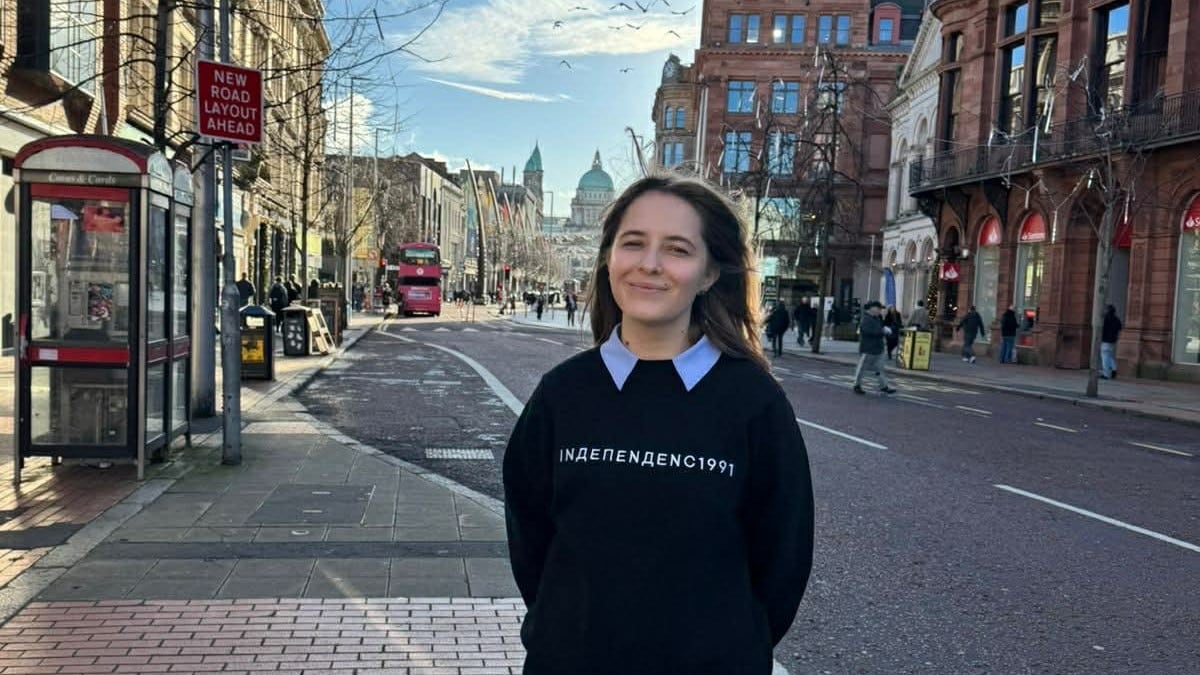
When Ukrainian filmmaker Anastasiya Gruba arrived in Belfast earlier this year, she describes herself as emotionally exhausted and overwhelmed by the weight of war, separation and burnout.
Now, after six weeks living and working in Northern Ireland as part of a British Council residency programme for artists affected by conflict, she says the experience has been nothing short of transformative.
“Northern Ireland has brought me back to myself,” she says.
Hosted by Ulster University in partnership with the Belfast Film Festival, the residency offered Anastasiya space to pause, reflect and engage with the local film community. She is one of nine artists from Ukraine, Palestine, Lebanon and Yemen taking part in residencies across the UK.

Anastasiya’s filmmaking career began with her debut short film Driving Lessons, a poignant exploration of life in wartime Kyiv that enjoyed a strong international festival run. She is currently developing her first feature film, Women Suicide Season, a tragicomic work examining confusion, loneliness and responsibility.
But her arrival in Belfast came during what she describes as one of the most difficult periods of her life.
Even though Belfast is so far from Kyiv, it reminded me of home. There’s a depth here that’s hard to explain.
— Anastasiya Gruba
“I felt emotionally drained and devastated,” she says. “My boyfriend had just joined the army, which marked the start of a new chapter filled with loneliness and anxiety. At the same time, I was burnt out from work and felt completely lost.
“This residency helped me understand my priorities and clear space and time for something truly important.”
Despite the distance from home, Belfast stirred a deep sense of familiarity.
“Even though this city is so far from Kyiv, it reminded me of home,” she says. “It breathes both joy and sadness at the same time. There’s a depth here that’s hard to explain.
“I also felt sincerity and warmth in conversations with local people. And Northern Irish irony and humour are very similar to Ukrainian. I think that comes from parallels in our histories.”
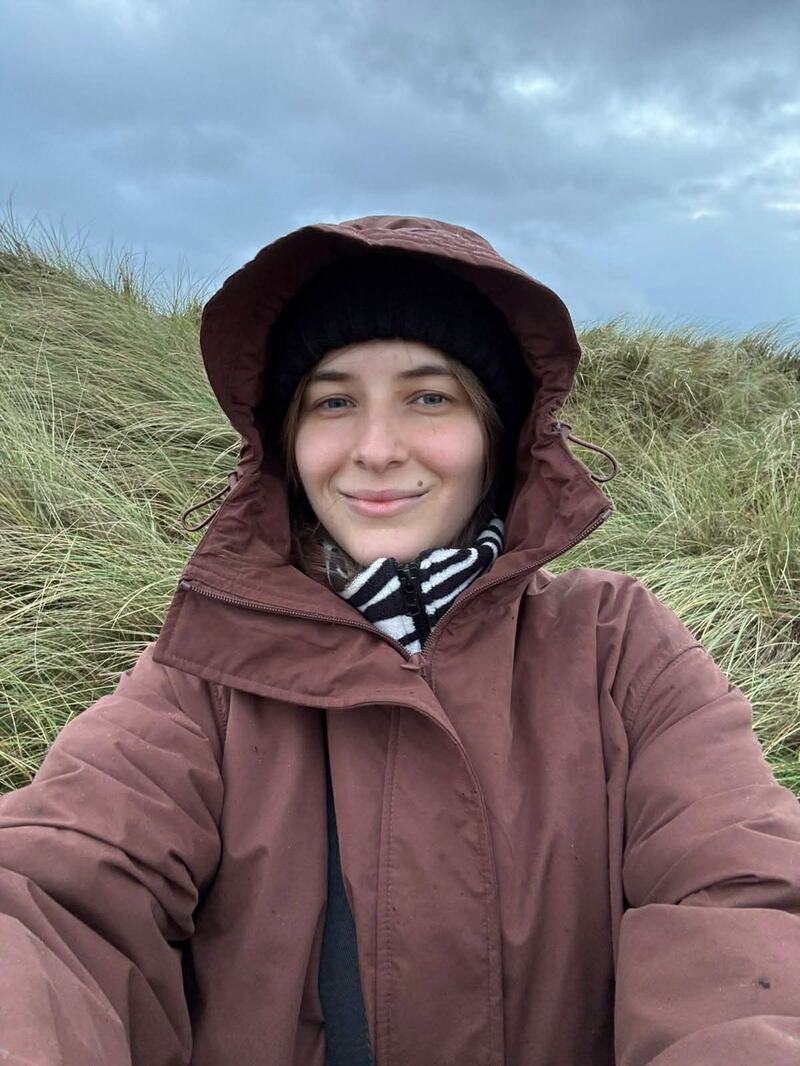
During her stay, Anastasiya explored much of Northern Ireland’s landscape, including the Giant’s Causeway, the cliffs at Dunseverick and the beaches of Portstewart — which quickly became her favourite.
“We were there during the blue hour and it was breathtaking,” she says. “Walking through the long grass, along the beach, feeling the wind and open space — it helped me calm down and recharge. Even short moments like that make such a difference.”
Yet the war in Ukraine remained ever-present in her thoughts.
Read more: Park Chan-wook: Korean filmmakers ‘treat social conflict as a serious problem’ – The Irish News
“My mind is constantly drawn back there,” she says. “It’s almost more terrifying to be abroad during air raids. A part of you is always there, worrying about your family and friends. You can’t fully relax.
“But life in Ukraine goes on. People work, drink coffee, meet loved ones — even after rocket attacks at night. That resilience is what inspires me most.”
As she prepares to return to Kyiv, Anastasiya says she will take with her not only new creative ideas, but a renewed sense of calm and purpose.
“I feel repaired somehow,” she says. “I want to organise my work better, protect my creative process, and make space for what really matters. I also hope to continue the cultural connections I’ve made here — maybe even bring Ukrainian film screenings to Northern Ireland.”
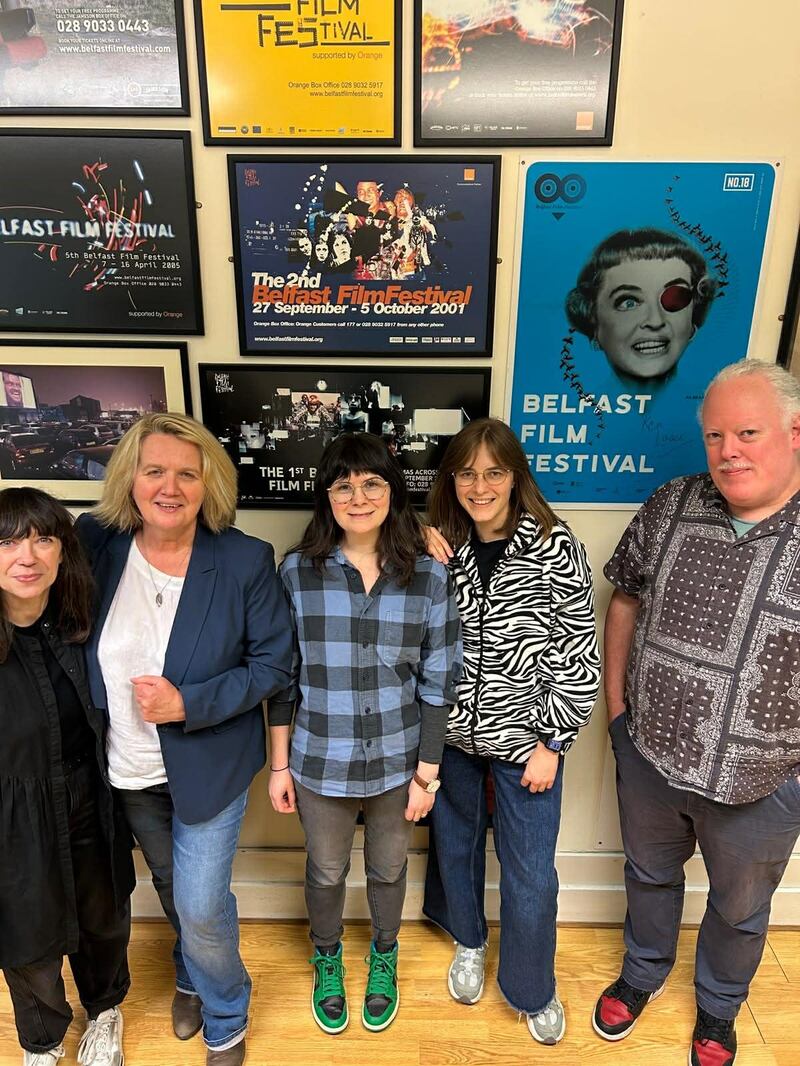
She credits the residency with giving her the reset she needed.
“This experience reminded me that creativity and life continue, even in the hardest circumstances,” she says. “I want to carry this calm home with me — my morning rituals, a cup of coffee, a good book — and also a new excitement about storytelling. All of this is thanks to Belfast.”
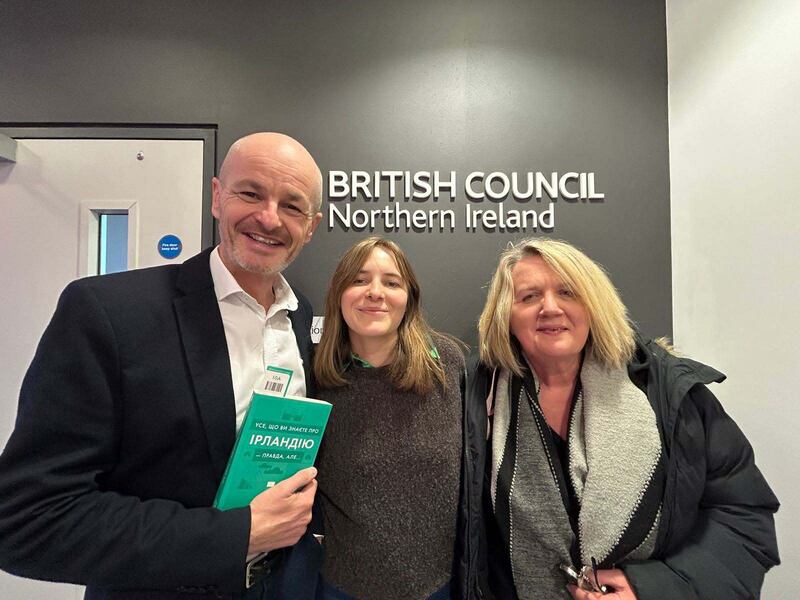
Colm McGivern, director of British Council Northern Ireland, said the programme was vital in supporting artists whose lives and careers have been disrupted by war.
“During my time working in Ukraine, I saw how suddenly artists found themselves displaced, cut off from resources or creating work amid trauma,” he said. “What stood out was their determination to keep telling stories.
“Belfast is a city that understands the legacy of conflict and the role creativity plays in survival and recovery. Supporting Anastasiya here is part of our commitment to keeping those cultural connections alive when they’re most needed.”
The residency builds on a successful pilot programme held in Scotland in 2023 during the UK/Ukraine Season of Culture and continues the British Council’s work in fostering international understanding through the arts.
As Anastasiya prepares to leave Northern Ireland, she does so with gratitude and renewed belief.
“Diakuyu,” she smiles. “Thank you.”