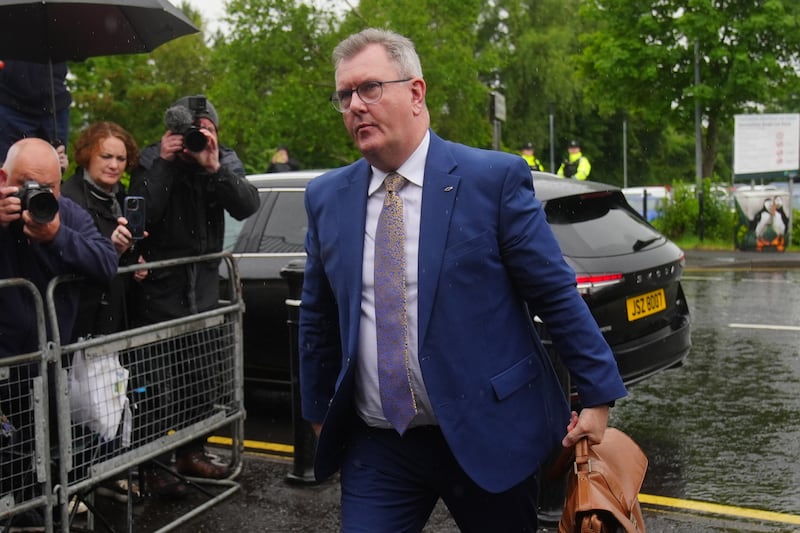
ANY new visitors to Stormont yesterday would have been forgiven for thinking that the DUP and Sinn Féin were sworn political enemies rather than government partners.
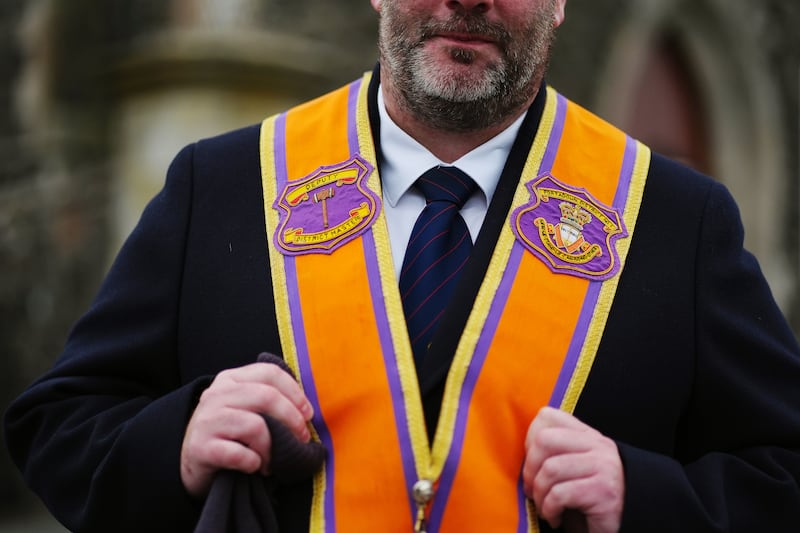
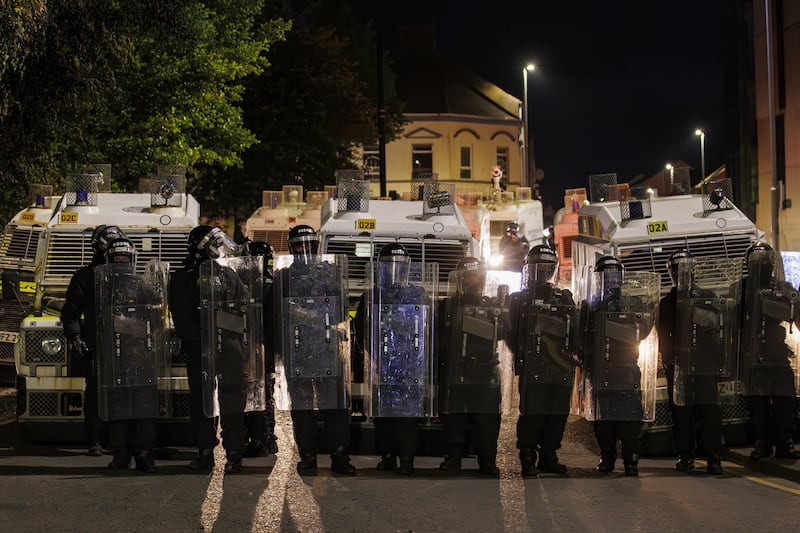
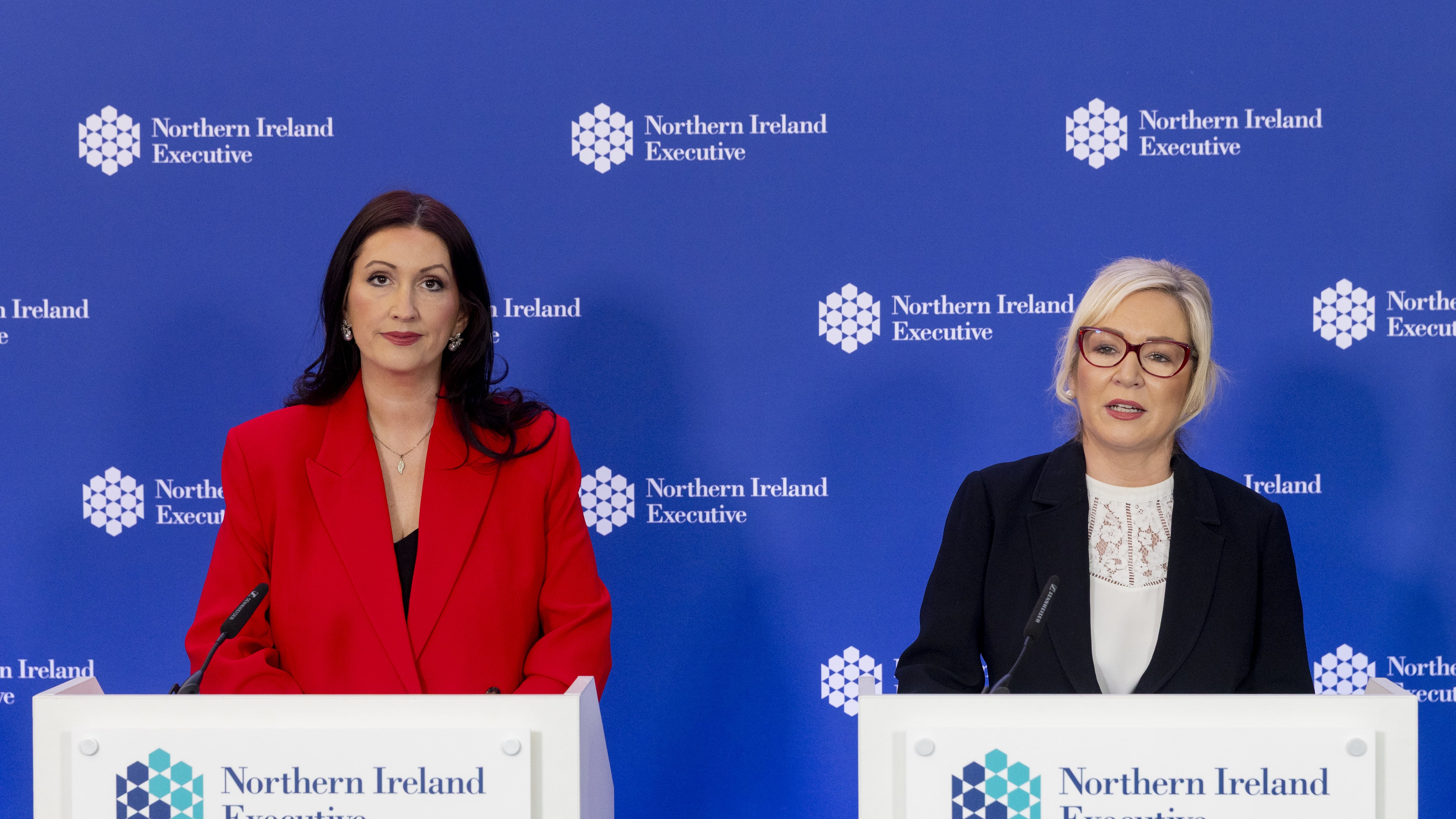
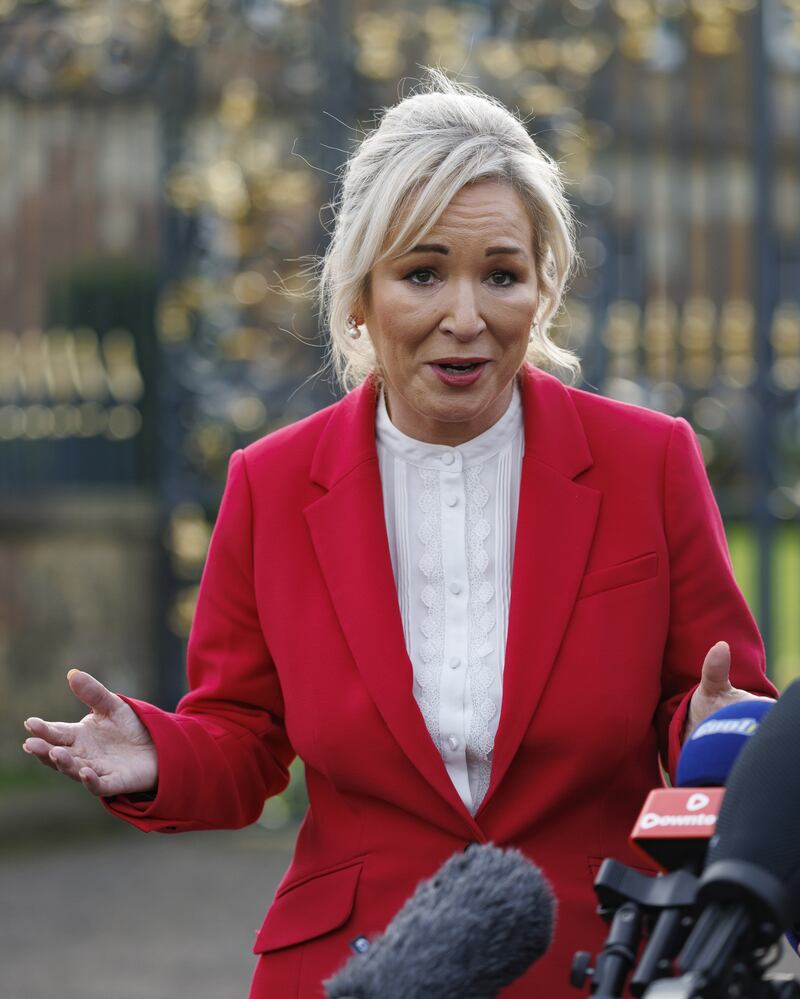
In one of several heated exchanges over the course of the day, Deputy First Minister Emma Little-Pengelly directly accused First Minister Michelle O’Neill of breaking the law by protesting alongside residents of Portadown’s Garvaghy Road.
“She decided to follow the law of the mob and not the law of the land,” she said.
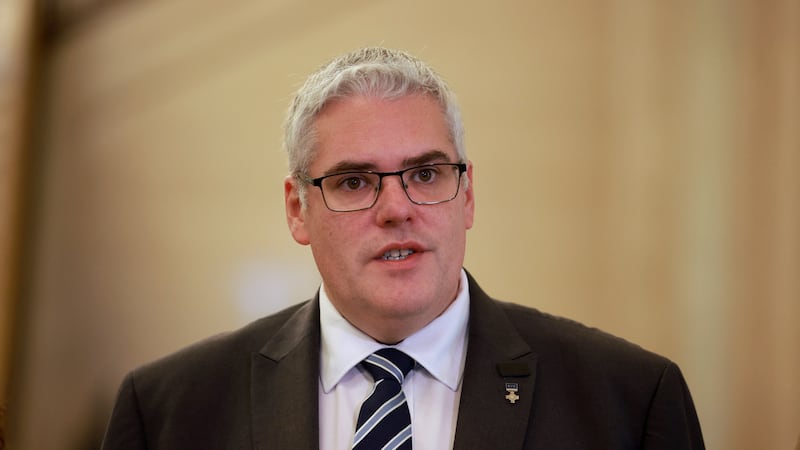
Ms O’Neill and other Sinn Féin representatives defended their actions, as DUP MLAs warned of the need for “consequences” and party leader Gavin Robinson said it could not be “business as usual”.
In any normal democracy, one might think such consequences would include pulling out of government with Sinn Féin, on the basis that trust had irretrievably broken down.
But of course our political arrangements are far from normal, and we have sadly become used to highly dysfunctional relationships at the Executive table, to the extent that ministers still have not agreed a budget six months into the financial year.
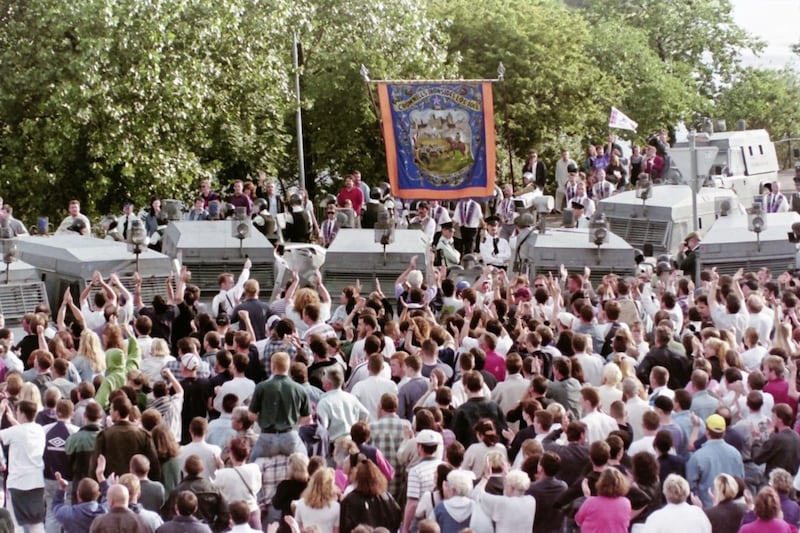
It is also hard to escape the sense that however it came about, the Drumcree stand-off serves as a convenient distraction from failings of both parties ahead of elections next year.
Sinn Féin has been criticised for lack of delivery on high-profile projects such as Casement Park and the A5, while the DUP, still dealing with the fallout from the Donaldson scandal, is facing electoral competition from Jim Allister’s TUV and the UUP under new leader Jon Burrows.
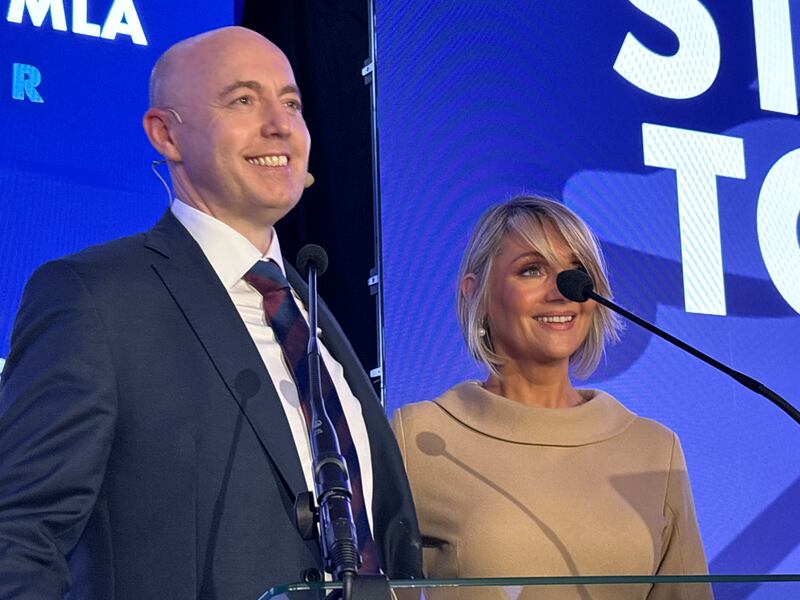
As court hearings were taking place over Drumcree at the weekend, Mr Burrows was warning at his party conference that collapsing an imperfect Stormont “could gift wrap the union” to Sinn Féin by handing over the reins to London and Dublin.
It is true that the argument for maintaining the union is likely to be weakened if Northern Ireland can be portrayed, as Mr Burrows said, as a “failed statelet”.
However, the focus on constitutional matters and disputes that should have been settled decades ago does nothing to alleviate the very real problems faced by families in accessing healthcare and housing, and in finding the money for soaring fuel and transport bills.
The resurrection of the Drumcree issue demonstrates in some ways how little we have travelled politically, and how quickly old divisions can re-emerge when political leadership fails.
Secretary of State Chris Bryant is understood to be considering some changes to the Assembly to try to escape the doom loop that has seen the institutions repeatedly collapse over the last decade.
Significant reform of Stormont is undoubtedly required. But more importantly, there must be a step change in attitudes from the main parties. Otherwise, more people will understandably conclude that a political system consumed by old arguments is incapable of addressing their daily needs.
If you have an opinion on the issues raised in this article and would like to submit a Letter to the Editor to be considered for publication, please click here.
Letters to the Editor are invited on any subject. They should be authenticated with a full name, address and a daytime telephone number. Pen names are not allowed.