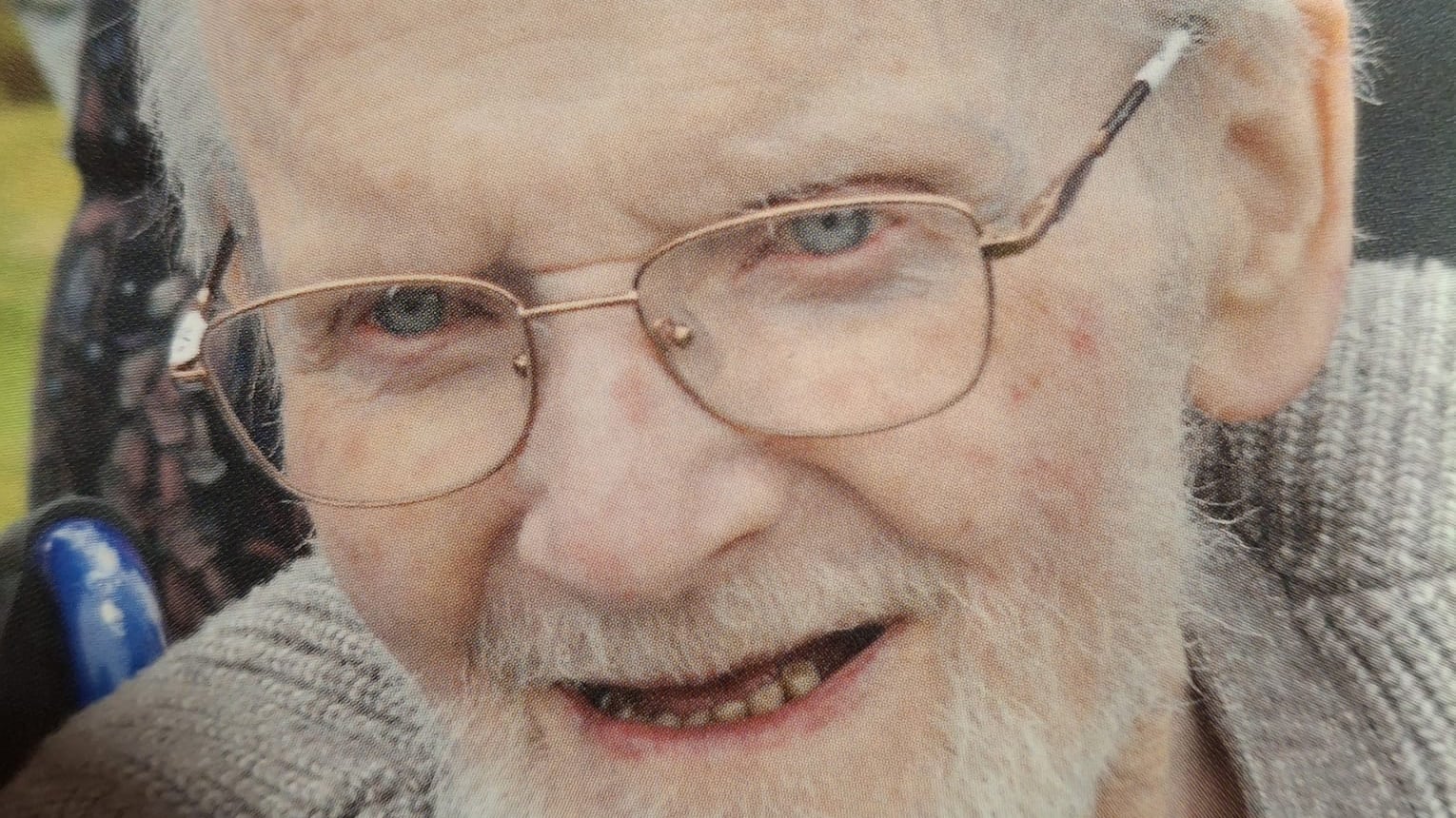
FATHER Jim Conlon has been remembered as a gentle pastor as well as a pioneer of environmentally-friendly agricultural practices.
As manager of the farm at Our Lady of Bethlehem Abbey in Portglenone, he helped create one of the first full-scale anaerobic digestion systems in the UK and Ireland.
Commissioned in 1985, it processed manure from 300 cattle and 27,000 chickens to generate enough biogas to heat the abbey.
A compost by-product was also sold commercially as a peat substitute – removing 70% of the phosphorous which has contributed to the problems blighting nearby Lough Neagh – along with organically-grown oats dried using the digester.

Scientist and slurry expert Dr Les Gornall, who worked with Fr Conlon while a research student at the University Ulster, said “beneath his gentle manner lay a rare courage”.
“In the early 1980s, Fr Conlon raised the issue of the impact that modern farming was making on the environment with his Cistercian community and they made a decision that would transform the Abbey farm,” he said.
“Rather than follow the increasingly chemical-dependent model of modern agriculture, he chose to farm ‘more wholesomely’, as he often described it.
“Artificial fertilisers, herbicides, and pesticides were removed from the system. In their place came a careful rebuilding of soil fertility, pasture diversity, and nutrient cycling. Energy to heat the monastery would come from manure.”
Mr Gornall said as farm manager, Fr Conlon oversaw the whole operation on the ground and demonstrated to the world that ecological farming could both improve livestock health and be economically successful at full scale.
“Fr Conlon never sought recognition for these achievements but national and international awards followed this pioneering adventure.
“Visitors who came to see the digester and composting systems were welcomed with quiet warmth and a simple explanation of how the farm worked.
“Northern Ireland consequently has more biogas plants per head of population than any country in the UK.
“To him the work was not about technological novelty but about care for creation, good husbandry, and the well-being of the community.”
He added: “Those who worked with him remember not only his vision but his humility and kindness.
“In a time when agriculture was moving rapidly toward industrialisation, Fr Jim Conlon quietly showed another path.
“He walked the spiritual path with practical feet and his footprints can be seen everywhere.”
In later years, Fr Jim returned the contemplative life which had originally brought him to the monastery but was a regular source of wisdom and support for visitors.
He lived in Lisadian in Co Armagh before his death on March 4 at Greenpark Nursing Home, and his funeral took place at the Church of The Immaculate Conception, Tullysaran.