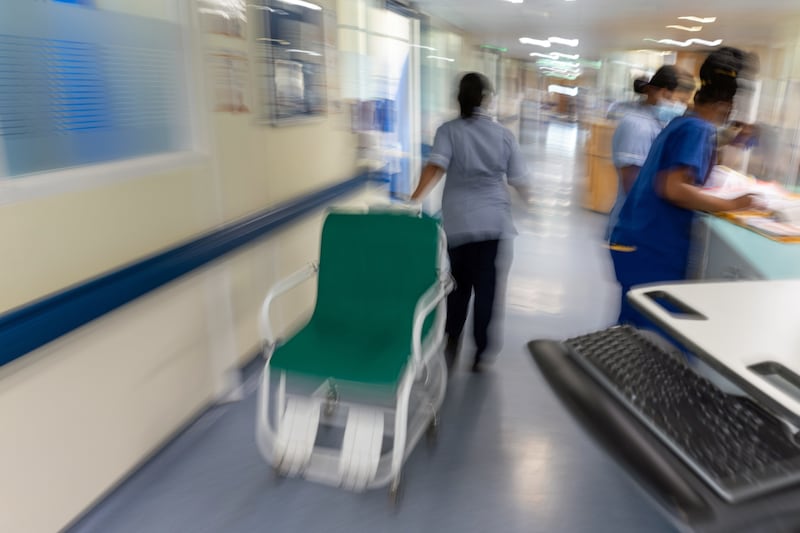
Cervical screening aids early detection for cervical cancer.
The cancer develops in the cervix and is most commonly caused by persistent infection with high-risk types of human papillomavirus (HPV).
It often develops slowly and may have no symptoms in its early stages, which is why regular cervical screening is so essential.
What is a smear test?
All women and people with cervices will be invited for cervical screening between the ages of 25 and 64.


It’s a vital preventative test to detect high-risk HPV and any cell changes on your cervix.
Whether you’ve had your HPV vaccine or not, you still need to attend for your screening regularly.
What to expect?
Lead nurse colposcopist in the Belfast Trust, Gwen Thompson, spoke to The Irish News to give a step-by-step guide on what you should expect.
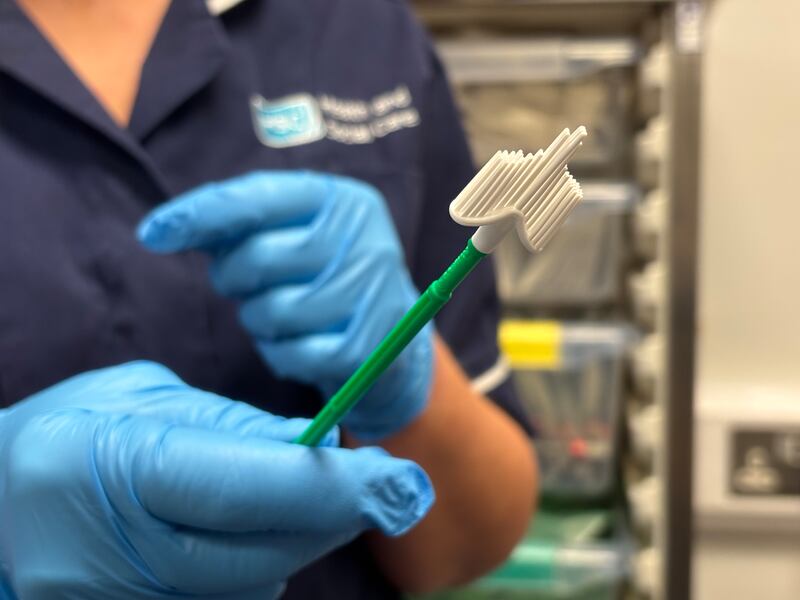
Nurse Thompson said: “They use a special instrument called a speculum, and they introduce it into your vulval area, this helps show your cervix. You then use a brush that is quite soft, and it samples cells from your cervix, which is then transported by a vial into the laboratories where it is tested for HPV.”
“Initially, you will get that smear, and they will do a HPV check. If HPV is not detected, you will be advised of your results and on a normal recall.
“If HPV is detected, your cells will be looked at. If those cells show that there’s no change there, you’ll be invited for another smear in a year’s time. If the HPV test is detected ‘high-risk’ and your cells show change, you are then referred into a special clinic called a colposcopy clinic, where professionals will look further at your cervix and find out what cell changes are happening.
“It’s the same examination as a smear test, only it takes a little bit longer. A cold liquid is used to show any cell changes on your cervix.”
Nurse Thompson added: “If we see changes, we will want to take a little bit of tissue from that area. This goes to the laboratories where they can identify what exactly is going on. We will write to you with that result and plan observation and to confirm if we need to bring you back and do any treatment.”
Why is it so important?
With 70% of cervical cancer prevented by screening, nurse Thompson said it’s important to go when you get the call.
She explains: “It’s vital you book in as soon as possible. I know it’s embarrassing. I know it’s not nice. But it is five minutes.
“It’s not a test to check for cervical cancer. If you have any unscheduled bleeding, discharge or pain, seek the advice of your GP. Don’t hide away. You’re putting yourself at a higher risk of having a cancer if you don’t attend your smear(s).”
Advice
Nurse Thompson advises to take a couple of painkillers before if ‘you’re not good with this sort of thing.’
She said: “Bring music that you can listen to on your phone. Whatever would distract you. Chat with the person who’s going to do your smear just so you get a full understanding of what to expect.
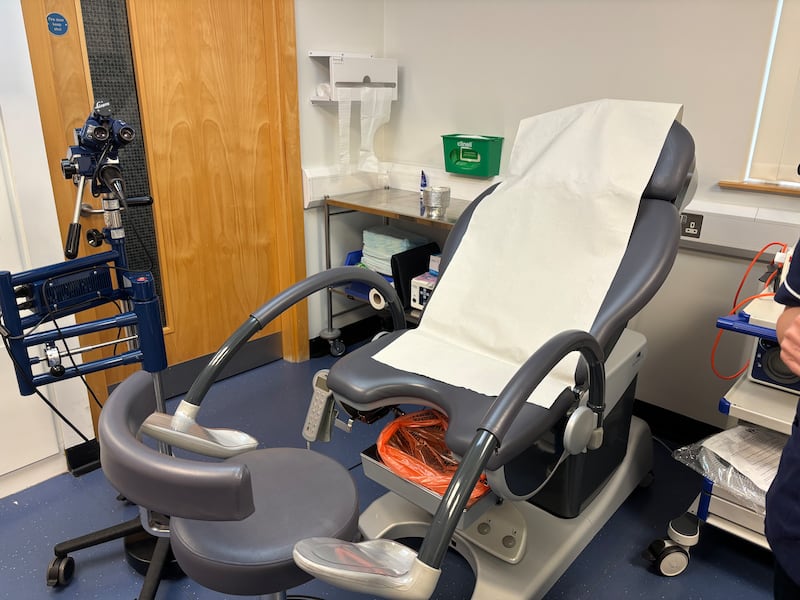
“We lock our doors to ensure patient’s full privacy and also give a modesty sheet.
“Also, remember that one size of an instrument doesn’t fit everybody. If we need to use a smaller instrument, that’s fine as long as we get your smears. We don’t want to put you off ever coming for a smear. So, it’s important that we do it right the first time and continue to do so the whole way through your screening journey.”