A former paramedic has said centralising hospital services will fail patients without boosting ambulance numbers.
This week, The Irish News has examined the polarising debate around changes to hospitals like the Causeway in Coleraine, Enniskillen’s South West Acute Hospital and the Downe in Downpatrick.
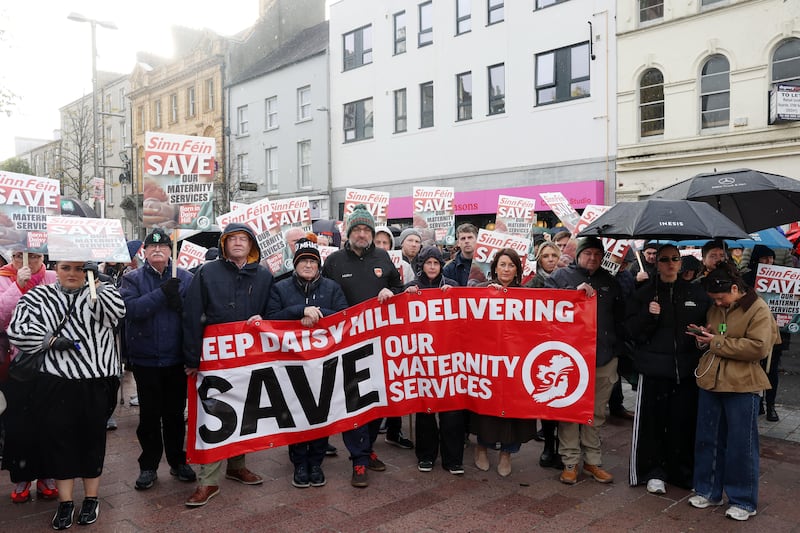
Against moves to concentrate specialist services like Emergency General Surgery (EGS) in the Western and Northern Trust areas, campaigners warn of the risks to patients in rural areas needing to travel greater distances.
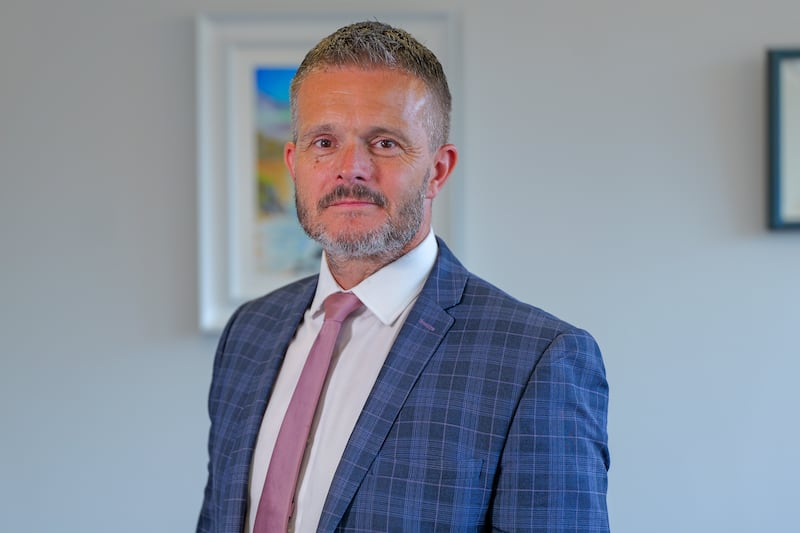
Norman Cunningham is Unite’s regional officer for health and previously worked as a paramedic for 33 years.


“We all know there can’t be a hospital on every corner, generalising surgery would appear to be a good idea,” he told the Irish News.
“But they have to put in procedures to cope with that, particularly in rural areas. Elderly people can’t be driving for hours.
“If that person isn’t mobile and they go to Antrim from Causeway, their outpatient appointments will likely be in Antrim as well.
“They’ll need someone to drive them there for that as well so there is a knock-on effect for families, which is the same at the SWAH where Altnagelvin in Derry is an hour’s drive.”

- Robbie Butler: ‘I will not shy away from reform – but it cannot simply mean cuts’Opens in new window
- ‘No one ever gets sacked’ for failures - experts in despair at Northern Ireland’s health service performanceOpens in new window
- The story of Northern Ireland health reform in three under threat hospitalsOpens in new window
A recent example saw one SWAH patient waiting over 16 hours for an ambulance to take them to Derry.
With 169 patient transfers on this route since April 2024, the average wait was just under two hours.
Giving his view on how paramedics have managed since the suspension of Emergency General Surgery at the SWAH in 2022, Mr Cunningham said: “They cope, but at a cost to the public elsewhere waiting on an emergency ambulance.
“The health service is paying about £10m a year out to private ambulances, without them they couldn’t manage.”
With the political row over a similar change proposed for Causeway Hospital he said it is a question of when, not if.
“That will happen, it’s been talked about for donkey’s years. The ambulance service would certainly need an uplift in their budget and staffing capabilities to deal with it.
“Previously we were talking about new shift patterns and reducing cover at night, but when we take these 24 hour services away it will increase the demand at night.”
With no Stormont budget agreed and health trusts ordered to cut spending by £800m, Mr Cunningham said the uncertainty did not allow for forward planning.
“At the minute, there appears to be difficulty even getting money off the department to fund ambulance posts,” he said.
“None of the health trusts have their budgets yet, they know what’s being taken off them but not what they’re getting. NIAS don’t know what their budget is.
“It used to be that you had a golden hour to get to someone and bring them to hospital, now that doesn’t really seem to matter.”
During an Assembly debate this week, East Derry MLA Claire Sugden told the health minister Robbie Butler that “access matters” for people living in rural areas on the north coast.
“I travelled (to Antrim Area Hospital) every week during my pregnancy, and I wondered how I would do it if I did not have a car.
“We have an ageing population, families matter to recovery, and geography matters to healthcare.
She added: “This is not just about wanting to keep it in our backyard; it is about health and safety, which matters as much to the people of Causeway as it does to people in Antrim.”
Writing in the Irish News this week, Health Minister Robbie Butler said concern over changes to services in rural areas were not simply “fear of change.”
He said any future change to services would mean “testing assumptions about workforce sustainability, capacity at other hospitals, ambulance pressures and the possible effect of a proposed change on connected services” and that any alternative must be proved to be “safer, better and sustainable.”