APPARENTLY it can happen to the best of us – unlucky (this time) Richard Branson got involved in a fight between a tennis racket and his teeth and the racket won.
Earlier this month the Virgin Group founder accidentally hit himself in the mouth with a tennis racquet while competing on the court at his Moskito Island resort in the British Virgin Islands, damaging two of his front teeth. Fortunately there was a dentist on the island who sorted him out and got him back playing the next day when he went on to beat the local tennis pro.
Sports injuries are a frequent occurrence; remarkably they account for three times more facial and teeth injuries than violence or traffic accidents. It appears that our teens are most in the firing line when it comes to suffering from tooth casualties during sports, with basketball, biking and hockey accounting for most tooth wipe-outs.
Any dental injury is distressing but most minor chips are easily repaired with tooth-coloured composites. Even if a tooth has been knocked out, it can often be saved if you get to a dentist quickly enough. Teeth that are reinserted into their socket within 20 minutes have the best chance of surviving.


However, even 'minor' injuries can cause serious and costly damage. If you enjoy sports or other high-risk activities, protect yourself. Helmets and mouth guards are the two best ways to protect the teeth. Children going over the handlebars and whacking their teeth is so commonplace that it’s a good idea to get your child into the habit of putting on a helmet each time they ride.
There are excellent helmets with chin guards that will take the impact instead of the teeth.
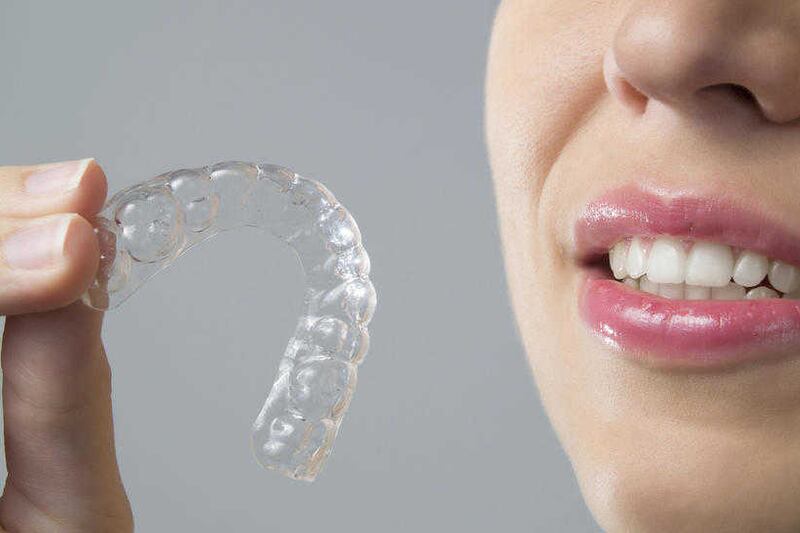
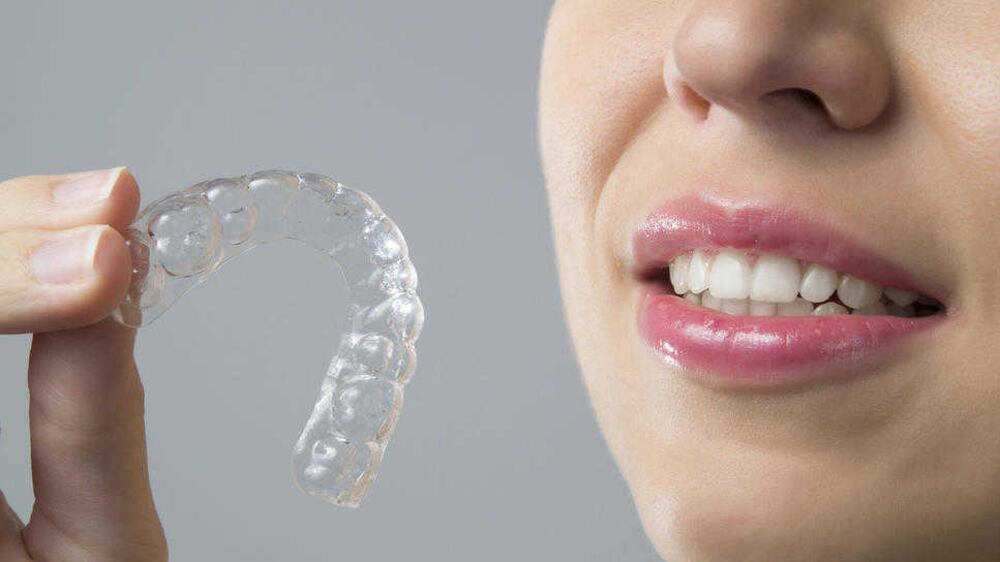
Initially used by professional boxers, the mouth guard has been used as a protective device since the early 1900s. It works by absorbing the energy imparted at the site of impact and by dissipating the remaining energy.
Athletes are 60 times more likely to suffer harm to their teeth when not wearing a mouth guard. They not only prevent injury to your teeth but also the tongue and lips as well. A custom-fit mouth guard from your dentist is the best option however in a child’s developing mouth regular updated ones are often needed. Shop-bought mouth guards vary greatly in protection, retention, comfort, and cost.